




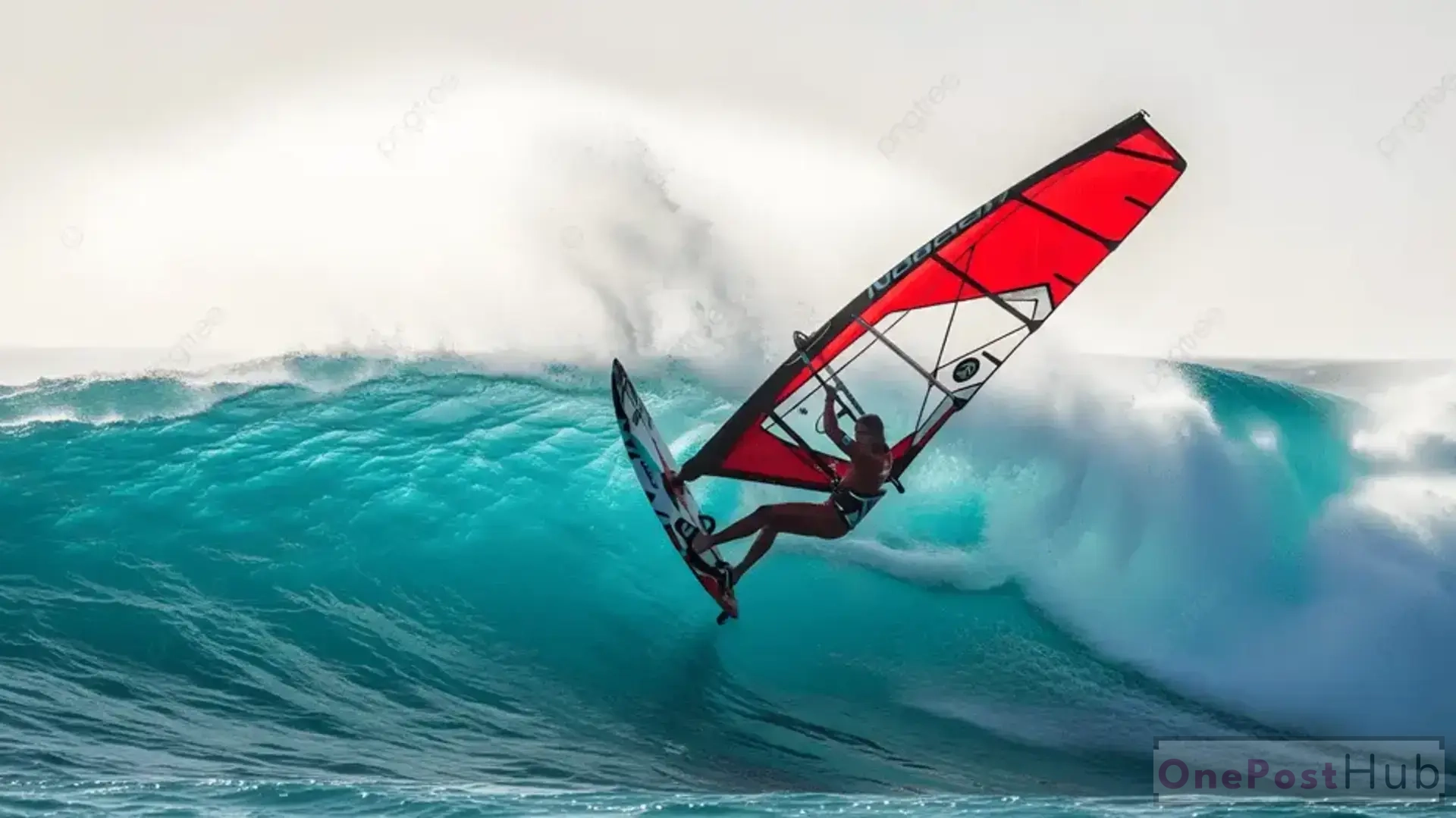

Windsurfer sailboards represent one of the most exciting innovations in water sports, combining the balance of surfing with the wind-powered mechanics of sailing. Over the years, windsurfing has evolved from a niche recreational activity into a globally recognized sport practiced across coastlines, lakes, and open waters. Whether for beginners seeking adventure or experienced riders chasing speed and waves, windsurfer sailboards offer a dynamic way to connect with wind and water.
What Are Windsurfer Sailboards and How Do They Work
A windsurfer sailboard is a board similar in shape to a surfboard but equipped with a mast and sail attached through a flexible joint. This design allows riders to harness wind power while maintaining control and balance on the water’s surface. By adjusting the sail’s angle and body positioning, the rider can steer, accelerate, and navigate waves without the need for paddling or an external motor. The simplicity of wind as propulsion makes windsurfing both environmentally friendly and technically challenging.
Modern windsurf boards are engineered using lightweight yet durable materials such as fiberglass and carbon composites. These materials provide strength while keeping the board responsive and maneuverable. The sail’s size and shape vary depending on wind conditions and rider skill level, allowing customization for different environments.
A Brief History of Windsurfing
The sport gained international attention in the late 1960s and 1970s when innovators developed commercially viable sailboards that were accessible to the public. What began as a recreational experiment quickly grew into a competitive sport with global championships and Olympic inclusion. The evolution of board design and sail technology over the decades has improved speed, stability, and versatility, making windsurfing more approachable for beginners while also pushing the limits for professionals.
Types of Windsurfer Sailboards
Different windsurf boards are designed to suit various riding styles and water conditions. Beginner boards are typically wider and more stable, providing easier balance and control in lighter winds. Freeride boards focus on speed and comfort, making them ideal for recreational riders who enjoy cruising. Wave boards are smaller and more maneuverable, built specifically for navigating ocean waves and performing advanced tricks. Racing boards are designed for maximum speed and efficiency, often used in competitive events.
Selecting the right board depends on factors such as wind strength, water conditions, and rider experience. A properly matched sailboard significantly enhances both safety and enjoyment on the water.
Essential Skills for Riding the Wind
Learning to ride a windsurfer sailboard requires coordination, balance, and an understanding of wind dynamics. Beginners usually start in calm, shallow waters to practice basic stance, sail positioning, and steering techniques. As skills develop, riders learn how to tack, jibe, and plane across the water’s surface at higher speeds. Mastery comes from consistent practice and adapting to changing wind conditions.
Wind awareness is especially critical in windsurfing. Riders must learn to read wind direction and anticipate gusts to maintain control and maximize efficiency. This interaction between athlete and environment is what makes the sport uniquely engaging.
Safety and Environmental Considerations
While windsurfing is exhilarating, safety should always remain a priority. Wearing appropriate flotation devices, checking weather forecasts, and using properly maintained equipment are essential precautions. Beginners are encouraged to take lessons from certified instructors to develop foundational skills in a controlled setting.
From an environmental perspective, windsurfing is relatively sustainable compared to motorized water sports because it relies solely on wind power. However, respecting marine ecosystems and avoiding sensitive areas remains important to preserve natural waterways for future generations.
The Growing Popularity of Windsurfing
Interest in windsurfing continues to grow as more people seek outdoor activities that combine fitness with adventure. Advances in equipment design have made the sport more accessible, while global competitions and social media exposure have increased its visibility. Coastal destinations known for consistent winds have become hubs for windsurfing communities, attracting enthusiasts from around the world.
Conclusion
Windsurfer sailboards offer an exhilarating way to ride the wind and waves, blending technical skill with natural elements. From their innovative design and rich history to the physical and mental challenges they provide, these sailboards remain a symbol of freedom and adventure on the water. Whether for recreation or competition, windsurfing continues to inspire individuals to harness the power of the wind and experience the ocean in a uniquely dynamic way.

Other Articles

10 Reasons to Choose JupiterQQ for Online Gaming
What Is Machines Are Learning? Explained Simply