




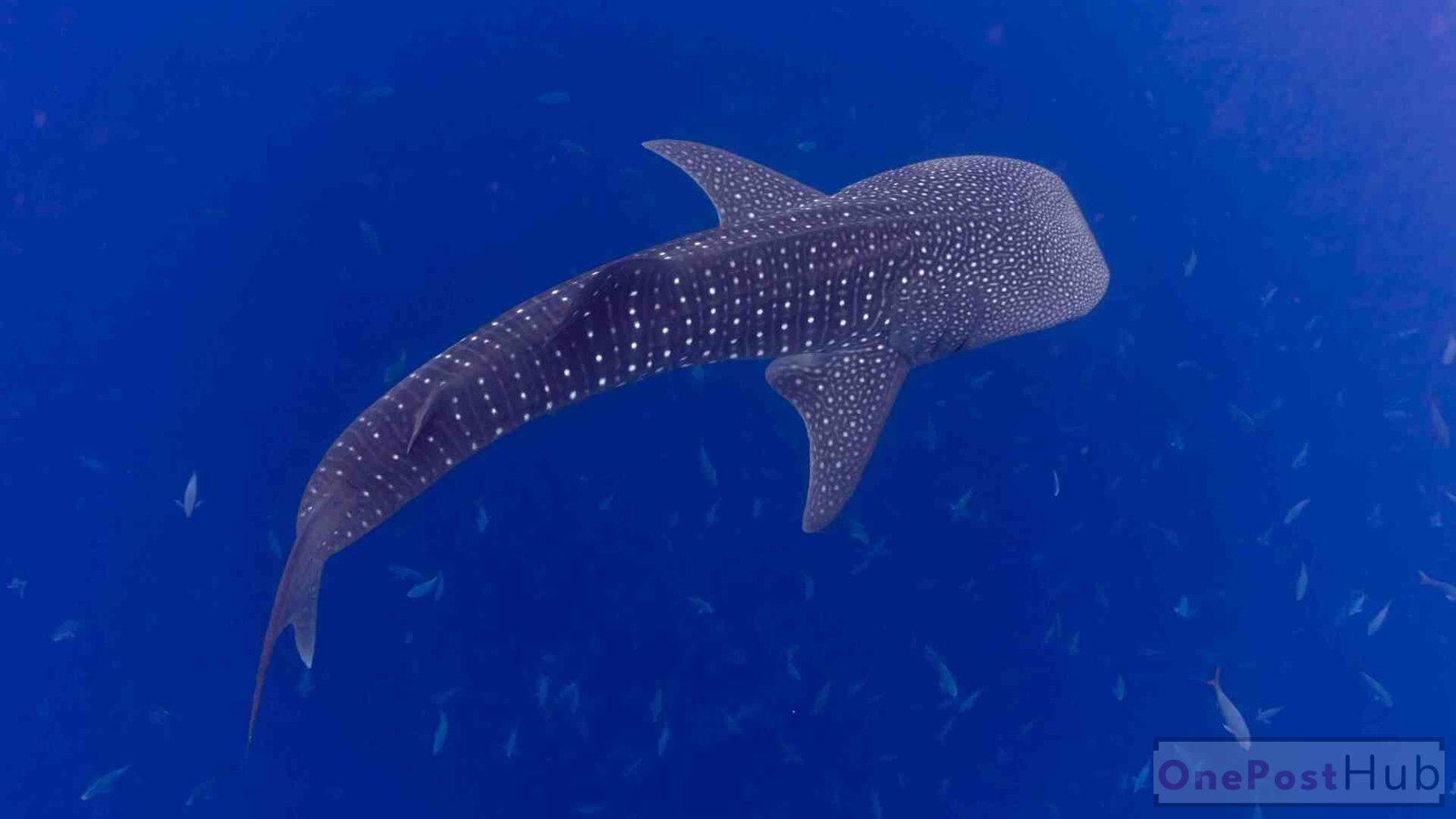

Whale sharks are the gentle giants of the ocean, captivating marine enthusiasts and casual beachgoers alike. These magnificent creatures glide through the water with an elegance that belies their size, leaving many to wonder about their fascinating lives. Despite their name, whale sharks are not whales at all but rather a species of shark that boasts some remarkable traits. From their unique feeding habits to their long migratory routes, there’s so much more than meets the eye when it comes to these awe-inspiring animals. Let’s dive into five amazing facts about whale sharks that highlight why they truly deserve our admiration and protection.
Whale Sharks Are Sharks, Not Whales
At first glance, the name “whale shark” might confuse many. After all, these majestic beings share their name with one of the largest mammals on the planet. But despite this misleading title, whale sharks are indeed classified as sharks.
Belonging to the family Rhincodontidae, they hold a special place in marine biology. Whale sharks are cartilaginous fish like other shark species—think great whites and tiger sharks—but they possess unique characteristics that set them apart.
With their enormous mouths and distinct spotted patterns, these gentle giants can grow up to 40 feet long or more. Unlike whales that breathe air through blowholes, whale sharks extract oxygen from water using gills located on either side of their massive heads. This distinction is crucial for understanding their role in the ocean’s ecosystem and highlights just how incredible these creatures truly are.
Feeding Requires Significant Effort
Whale sharks have a unique approach to feeding. They are filter feeders, which means they consume small organisms like plankton and tiny fish. But don’t be fooled by their size; this process is surprisingly labor-intensive.
To gather food, whale sharks swim with their mouths wide open, allowing water to flow in while trapping prey inside. It’s a slow and calculated method that requires patience.
Their feeding often occurs near the ocean’s surface, where nutrients are abundant. However, it can take them hours of swimming just to fill up on enough energy for the day.
The sheer amount of water they filter makes every meal an exercise in perseverance. Despite their massive size and seemingly effortless gliding through the water, these gentle giants work hard for each bite they take.
Whale Sharks Have Long Lifespans
Whale sharks are known for their impressive longevity. These gentle giants can live for over 70 years, with some estimates suggesting they might reach up to 100 years or more.
Researchers study their growth rings much like you would a tree trunk. Each ring represents a year of life, revealing insights into the ages of these magnificent creatures.
Their long lifespans contribute to the stability of marine ecosystems. Older whale sharks often play key roles in maintaining balance within their habitats.
However, understanding their lifespan is crucial not just for biology but also for conservation efforts. Protecting older individuals helps preserve genetic diversity and ensures future generations thrive in our oceans.
As we learn more about them, it becomes increasingly clear that safeguarding these ancient beings is vital for the health of marine environments worldwide.
Slow Swimmers With Long Migration Routes
Whale sharks are known for their gentle nature, moving gracefully through the ocean. Despite their size—averaging around 40 feet—they prefer a slower pace. This makes them fascinating to observe.
These majestic creatures embark on remarkable migrations. Some travel thousands of miles in search of food and warmer waters. Their journeys can take them from tropical seas to cooler regions, showcasing their adaptability.
What’s truly captivating is how they navigate these vast distances. They often follow specific routes that coincide with seasonal blooms of plankton—a primary food source for them.
This slow-paced lifestyle allows whale sharks to conserve energy during long travels. It also highlights the delicate balance they maintain within marine ecosystems as they seek out rich feeding grounds throughout the year.
Whale Sharks Face Growing Threats
Whale sharks face a variety of growing threats that put their existence at risk. These gentle giants are often caught in fishing nets or targeted by illegal fishing practices. Their slow reproductive rate makes it difficult for populations to recover.
Habitat loss is another serious concern. Coastal development and pollution can degrade the environments where whale sharks feed and breed. Climate change also poses significant challenges, affecting ocean temperatures and food availability.
Conservation efforts are essential to protect these magnificent creatures. Awareness campaigns, marine protected areas, and sustainable tourism initiatives can help ensure the future of whale sharks. Supporting organizations dedicated to their conservation is crucial for maintaining healthy populations in our oceans.
The plight of whale sharks reminds us of our responsibility to safeguard marine life while appreciating the beauty they bring to our world.

Other Articles

Monarch Butterfly: Facts, Habitat, and Migration
What Is Environmental Conservation? Benefits & Challenges