




Viltnemnda plays a central role in shaping how wildlife is managed at the local and municipal level in Norway. As environmental pressures increase and human–wildlife interactions become more complex, the future of wildlife management is shifting toward more data-driven, ethical, and sustainable approaches. Insights from Viltnemnda reflect how modern wildlife governance is evolving to balance conservation goals with ecological stability and societal needs.
Understanding Viltnemnda’s Role in Wildlife Management
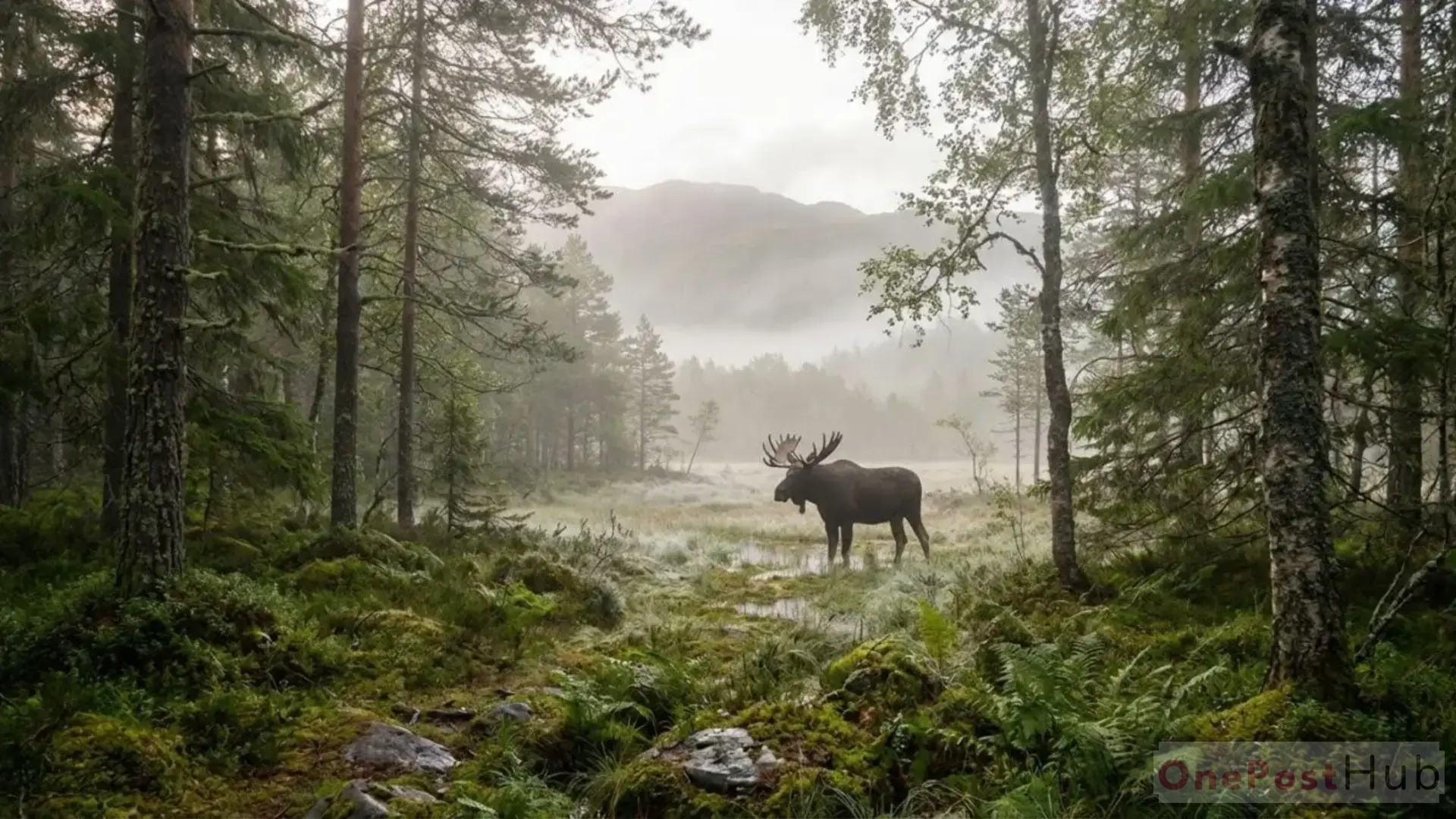
Viltnemnda operates as a municipal wildlife management committee responsible for overseeing hunting regulations, population monitoring, and conservation planning for wild animals such as moose, deer, and other game species. Its work is grounded in national wildlife laws but adapted to local ecological conditions. This localized decision-making model allows wildlife policies to be more responsive, ensuring that population control measures align with real-time environmental data and regional biodiversity goals.
Shifting From Population Control to Ecosystem Balance
One of the most important insights shaping the future of wildlife management is the shift away from simple population control toward broader ecosystem-based management. Viltnemnda increasingly considers how wildlife populations interact with forests, agriculture, predators, and climate patterns. Rather than focusing solely on hunting quotas, management decisions now aim to maintain long-term ecological balance, reduce habitat degradation, and support natural biodiversity cycles.
The Role of Data and Scientific Monitoring
Scientific data has become a cornerstone of modern wildlife management. Viltnemnda relies on population surveys, harvest statistics, tracking data, and ecological research to guide its decisions. Advances in digital reporting and wildlife monitoring technologies allow more accurate assessments of animal numbers and migration patterns. This evidence-based approach reduces uncertainty and helps ensure that wildlife policies are sustainable rather than reactive.
Climate Change and Its Impact on Wildlife Strategies
Climate change is significantly influencing future wildlife management strategies. Changing temperatures, altered migration routes, and shifting food availability are affecting animal behavior and population dynamics across Norway. Viltnemnda’s evolving approach reflects the need for adaptive management, where policies are regularly reviewed and adjusted to account for environmental changes. This flexibility is becoming essential to protect wildlife populations in an increasingly unpredictable climate.
Balancing Conservation With Human Interests
A major challenge highlighted by Viltnemnda is balancing conservation priorities with human activities such as farming, forestry, and infrastructure development. Expanding wildlife populations can increase crop damage and road accidents, while overly restrictive controls can threaten ecological stability. The future of wildlife management lies in collaborative solutions that involve landowners, hunters, conservationists, and local authorities working together to minimize conflict while protecting natural ecosystems.
Ethical and Sustainable Hunting Practices
Hunting remains a key wildlife management tool in Norway, but its role is becoming more regulated and ethically guided. Viltnemnda emphasizes sustainable hunting practices that support population health rather than exploitation. Clear regulations, seasonal controls, and education for hunters help ensure that hunting contributes positively to conservation goals while respecting animal welfare and ecological limits.
Community Involvement and Local Responsibility
Another defining feature of future wildlife management is increased community involvement. Viltnemnda’s structure encourages local participation, allowing residents to have a voice in wildlife decisions that affect their environment. This model strengthens public trust and promotes shared responsibility, making conservation efforts more effective and socially accepted over the long term.
Conclusion
In conclusion, insights from Viltnemnda reveal that the future of wildlife management is rooted in adaptability, scientific evidence, and local engagement. As environmental challenges grow more complex, wildlife governance is moving toward ecosystem-focused strategies that balance conservation, ethical use, and human interests. Viltnemnda’s approach demonstrates how localized, data-driven decision-making can play a vital role in ensuring sustainable wildlife populations and resilient ecosystems for generations to come.

Other Articles

Markiseteppe: A Stylish and Practical Choice for Every Home
10 Creative Ways to Use Pravi Celery in Cooking