



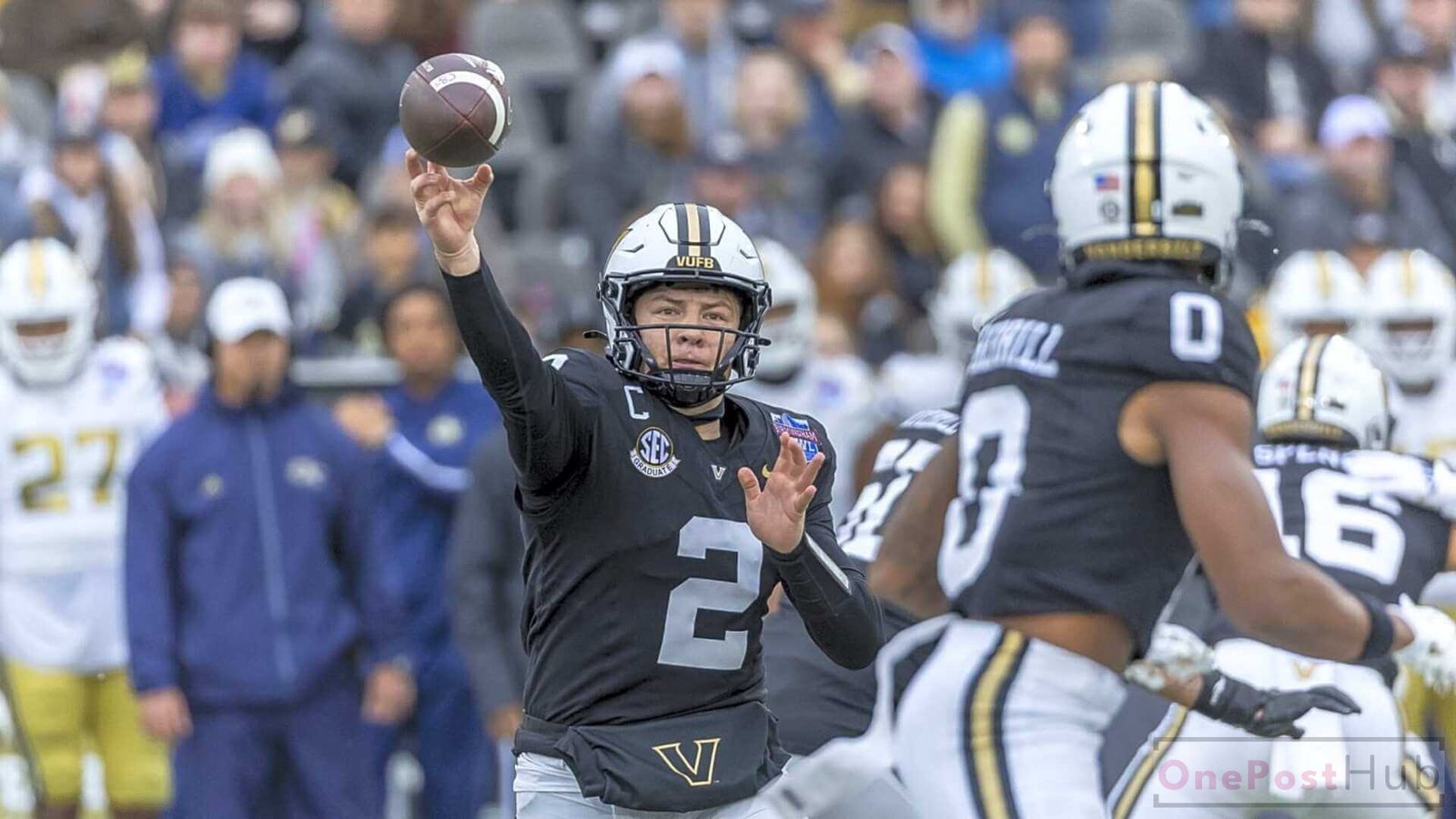

Vanderbilt Commodores football enters the 2025 season unlike any in its long history, marked by genuine competitive breakthrough and a cultural shift within the program. After years of being considered an underdog in the ultra-competitive Southeastern Conference (SEC), Vanderbilt has transformed into a team with real momentum, national relevance, and storylines that have captured widespread attention. This change isn’t accidental but stems from a combination of historic on-field achievements, strong leadership under head coach Clark Lea, stable quarterback play, strategic roster building, and increased visibility that has lifted the program’s profile far beyond Nashville.
Historic Success and National Recognition
Vanderbilt’s 2025 campaign has already etched itself into school history as the Commodores posted a remarkable 10–3 record, including a 6–2 mark in SEC play, and achieved milestones that had eluded the program for decades. The team started the season with notable wins over ranked opponents such as No. 10 LSU and No. 19 Tennessee, and became ranked in the AP Top 10—its highest national ranking since 1947—which signified a dramatic shift in perception from perennial underdogs to legitimate competitors. Not only did Vanderbilt achieve its first 10-win regular season ever and a historic road victory at Neyland Stadium, but it also hosted ESPN’s College GameDay on campus multiple times, a rare honor that signaled national respect for its performance and fan engagement.
Leadership and Veteran Stability
A core part of what makes Vanderbilt unique this year is the stability and leadership brought by veteran quarterback Diego Pavia. As a sixth-year senior, Pavia returned to lead the offense after an impressive 2024 season where he not only proved durable but also became one of the most reliable dual-threat quarterbacks in the SEC. His command of the offense and ability to make big plays in critical moments gave Vanderbilt consistent offensive production that had been elusive in past seasons. Coupled with experienced coaching from Clark Lea and his staff—which emphasizes both player development and a disciplined approach—Vanderbilt has established continuity and leadership that sets it apart from many SEC peers enduring turnover or inconsistency at key positions.
Cultural Growth and Program Identity
Another unique aspect of Vanderbilt’s season is its cultural evolution off the field. Historically known more for academic rigor than athletic dominance, the Commodores have nurtured a football culture rooted in resilience and belief. Rather than rely on sheer recruiting rankings, the coaching staff has consistently leaned into the transfer portal to bring in experienced players who can contribute immediately, a strategy that has paid dividends after a breakthrough season. While Vanderbilt’s 2025 recruiting class was smaller compared to other SEC programs, the focus on targeted additions and development has helped create a roster with depth and versatility without compromising team identity. This cultural commitment to growth and self-belief has fostered a cohesive locker room and a belief that Vanderbilt belongs in the conference’s conversation.
Increased Visibility and National Spotlight
The Commodores’ on-field achievements have also translated into increased exposure and national interest in the program. Vanderbilt was prominently featured in the Netflix docuseries SEC Football: Any Given Saturday, which premiered in August 2025 and offered viewers an inside look at the intensity and behind-the-scenes atmosphere of SEC competition. This kind of mainstream media attention elevated Vanderbilt’s profile well beyond the traditional college football audience, highlighting the team’s journey, traditions, and the broader narrative of an underdog rise. Additionally, hosting College GameDay on campus underscored the broader appeal and competitive respect the program now commands, making Vanderbilt an intriguing story in college football circles.
Conclusion
In conclusion, what makes Vanderbilt football uniquely compelling this season is the convergence of historic success, seasoned leadership, program culture shifts, and national recognition that together paint a picture of a team moving beyond expectations. After years of incremental progress, the Commodores entered 2025 with both confidence and credibility, proving they can compete with the nation’s elite while remaining true to their identity. Whether through milestone victories, veteran leadership like Diego Pavia’s, strategic roster development, or unprecedented media attention, Vanderbilt’s 2025 season stands as a defining chapter in the program’s evolution and sets a new standard for what is possible in the years ahead.
Frequently Asked Questions About Vanderbilt Football This Season
Why is Vanderbilt football getting more attention this season?
Vanderbilt football is receiving increased national attention this season because the program has achieved a level of success rarely seen in its history, especially within the highly competitive SEC. Strong on-field performances against ranked opponents, a historic win total, and national rankings shifted public perception of Vanderbilt from a rebuilding program to a legitimate contender. This success, combined with national media coverage and high-profile game appearances, has brought unprecedented visibility to the team and its progress.
What role has coaching played in Vanderbilt’s unique season?
Coaching has been a central factor in Vanderbilt’s standout season, particularly under head coach Clark Lea. His emphasis on discipline, player development, and long-term culture building has paid off after several years of gradual progress. Rather than relying solely on elite recruiting classes, the coaching staff focused on maximizing talent, building cohesion, and instilling belief within the roster. This steady leadership created consistency that allowed Vanderbilt to compete confidently against traditionally stronger programs.
How important has quarterback play been for Vanderbilt this year?
Quarterback play has been crucial to Vanderbilt’s success, as stability at the position allowed the offense to operate with confidence and efficiency. Veteran leadership under center helped the team avoid the inconsistency that often plagues developing programs. The quarterback’s experience, decision-making, and ability to perform under pressure gave Vanderbilt a reliable offensive identity and enabled the team to sustain momentum throughout the season.
What makes Vanderbilt’s approach different from other SEC teams?
Unlike many SEC programs that rely heavily on five-star recruiting classes, Vanderbilt has leaned into strategic roster construction and development. The team utilized experienced transfers and focused on players who fit the system rather than chasing rankings. This approach allowed Vanderbilt to build depth and maturity quickly, giving them an edge in execution and mental toughness. Their success highlights how smart planning and culture can help level the playing field in a talent-rich conference.
Has Vanderbilt’s success changed its reputation in college football?
Yes, Vanderbilt’s performance this season has significantly altered how the program is viewed nationally. Once seen primarily as an academic institution competing in a football powerhouse conference, Vanderbilt is now recognized as a team capable of upsetting top opponents and sustaining success. This shift in reputation has influenced media narratives, fan engagement, and broader respect across college football.


Weird Wealth: Hidden Insights and New Ideas
Runlia: Testing the New Bio-Tech Fabric