




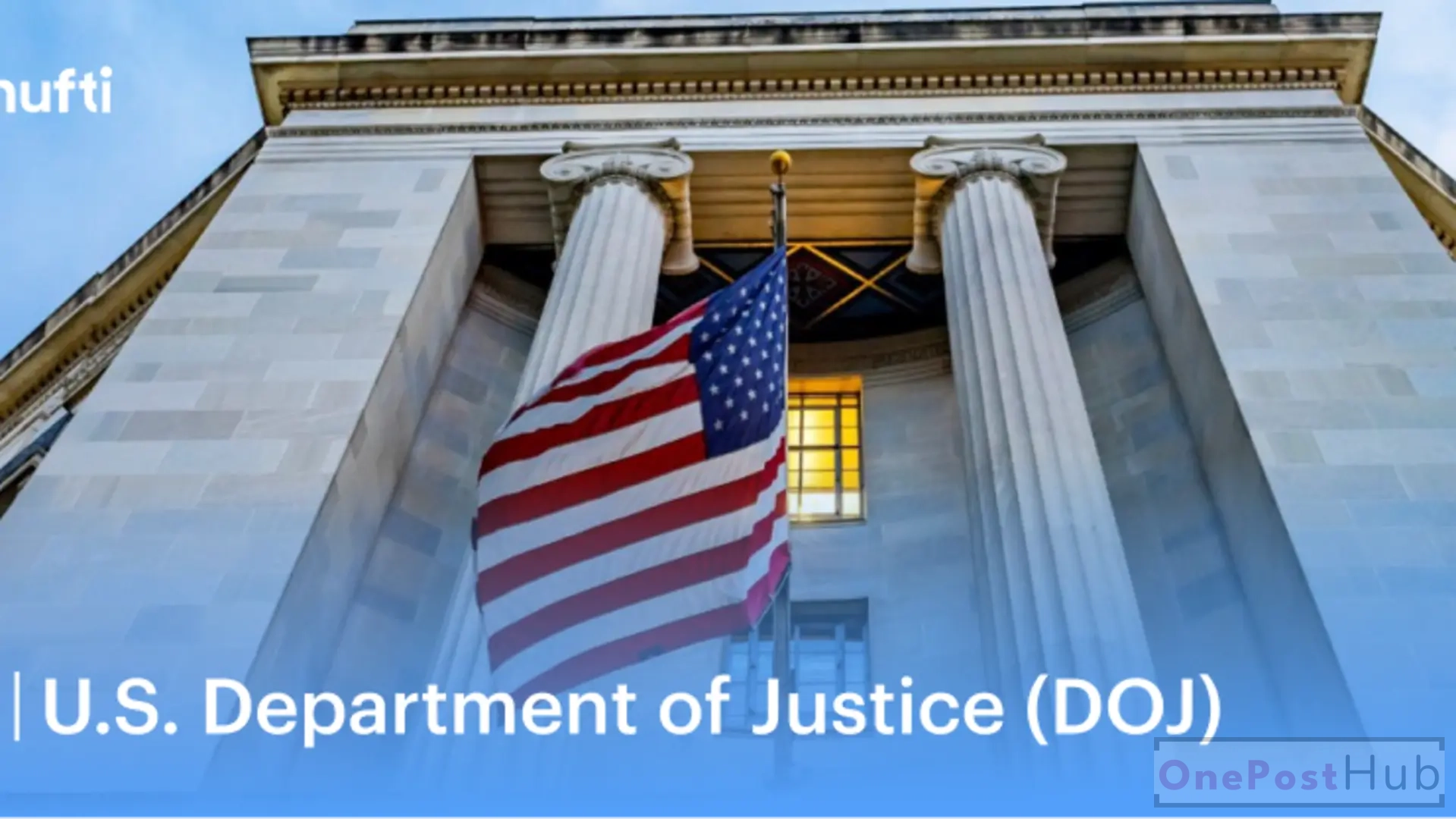

United States Department of Justice is one of the most powerful and influential federal institutions in the United States, playing a central role in upholding the rule of law and ensuring justice is administered fairly. Established to enforce federal laws and protect the legal rights of citizens, the Department of Justice operates at the intersection of law enforcement, public policy, and constitutional responsibility. Understanding its structure, authority, and mission provides valuable insight into how the U.S. legal system functions at the highest level.
The Department of Justice Was Established to Enforce Federal Law
The United States Department of Justice was formally established in 1870 with the primary purpose of enforcing federal laws and representing the U.S. government in legal matters. Before its creation, legal responsibilities were scattered across different offices, leading to inefficiency and inconsistency. The formation of the DOJ centralized legal authority, ensuring that federal laws were applied uniformly across all states and territories.
The Attorney General Leads the Department of Justice
At the head of the Department of Justice is the Attorney General of the United States, who serves as the nation’s chief law enforcement officer. Appointed by the President and confirmed by the Senate, the Attorney General oversees all DOJ operations and provides legal advice to the federal government. This role carries significant influence, as decisions made by the Attorney General can shape national law enforcement priorities and legal interpretations.
The DOJ Oversees Major Federal Law Enforcement Agencies
The Department of Justice supervises several key federal law enforcement agencies, including the Federal Bureau of Investigation (FBI), the Drug Enforcement Administration (DEA), the Bureau of Alcohol, Tobacco, Firearms and Explosives (ATF), and the U.S. Marshals Service. These agencies handle a wide range of responsibilities, from investigating federal crimes and combating drug trafficking to protecting federal courts and enforcing firearms regulations. Through this oversight, the DOJ coordinates nationwide law enforcement efforts.
Protecting Civil Rights Is a Core DOJ Responsibility
One of the most critical functions of the Department of Justice is protecting civil rights. The DOJ enforces laws that prohibit discrimination based on race, religion, gender, disability, and other protected characteristics. It also investigates violations involving voting rights, police misconduct, and unlawful practices by institutions. This role positions the DOJ as a guardian of constitutional rights and democratic principles.
The DOJ Represents the Government in Court
The United States Department of Justice acts as the federal government’s primary legal representative in court. Its attorneys handle cases ranging from criminal prosecutions to civil lawsuits involving federal agencies. This includes defending the government against legal challenges, prosecuting violations of federal law, and presenting cases before the Supreme Court. Through this work, the DOJ helps shape legal precedent and national policy.
The Department of Justice Operates Independently but Is Not Isolated
Although the DOJ is part of the executive branch, it is expected to operate with a degree of independence from political influence. This principle is essential to maintaining public trust in the justice system. While the department follows the administration’s policy priorities, its legal decisions are meant to be guided by law and evidence rather than partisan considerations, reinforcing the integrity of federal law enforcement.
The DOJ Plays a Key Role in National and Global Justice Efforts
Beyond domestic law enforcement, the Department of Justice participates in international legal cooperation. It works with foreign governments on extradition, counterterrorism, cybercrime, and anti-corruption efforts. This global involvement reflects the DOJ’s expanding role in addressing crimes that cross national borders and threaten international security.
Conclusion
In conclusion, the United States Department of Justice is a foundational pillar of the American legal system, responsible for enforcing federal law, protecting civil rights, and ensuring justice is applied consistently across the nation. Its leadership structure, oversight of major law enforcement agencies, and commitment to legal integrity underscore its importance in maintaining democratic order. Understanding these key facts highlights why the DOJ remains central to law, governance, and public trust in the United States.

Other Articles

5 Must-Watch Shows on Boyfriwns TV You Shouldn’t Miss
7 Must-Know Facts About the New York Yankees Franchise