




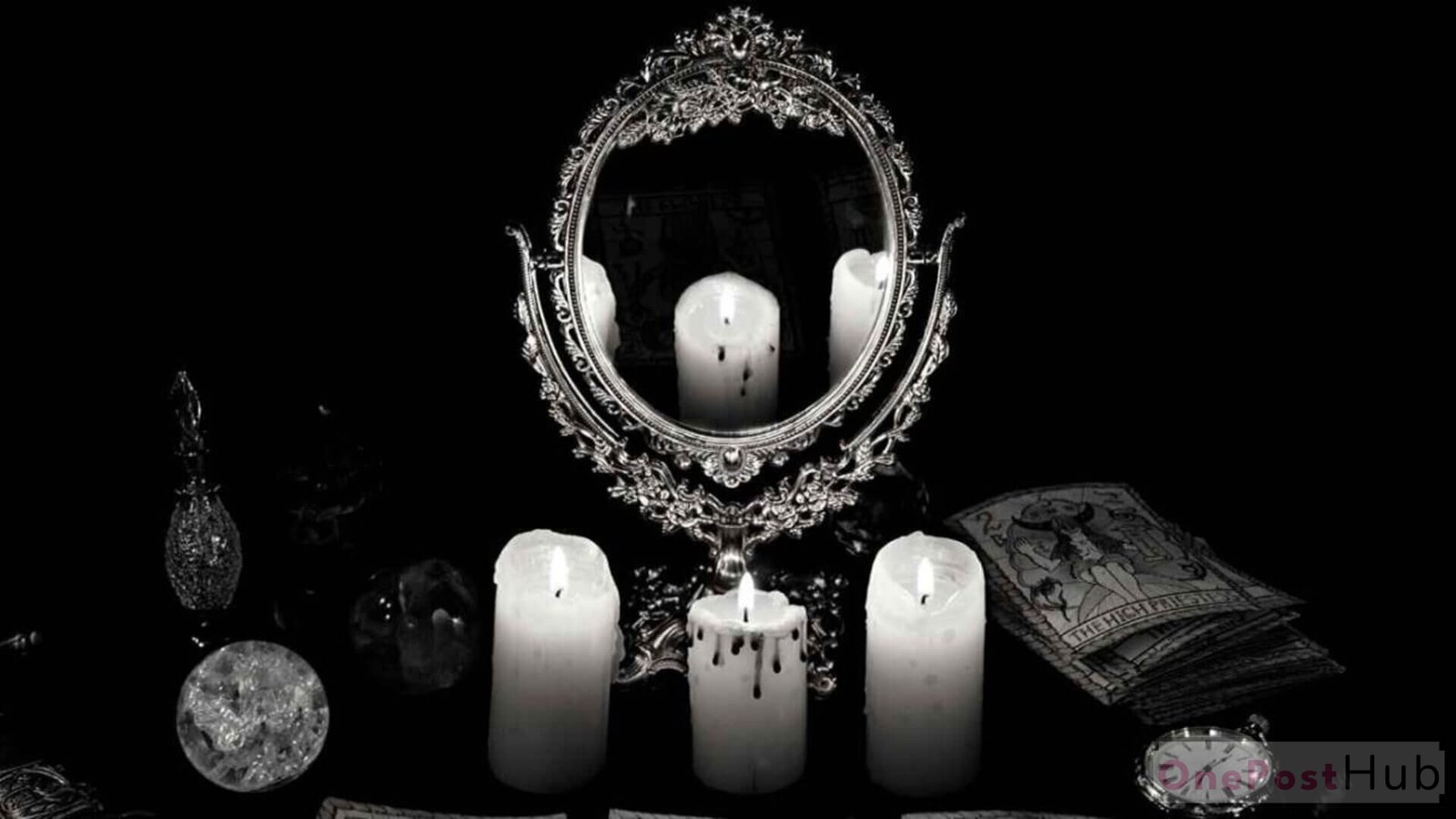

Understanding What a Scrying Mirror Is
A scrying mirror is a reflective tool traditionally used for deep introspection, symbolic insight, and intuitive awareness. Unlike an ordinary mirror meant for physical reflection, a scrying mirror is typically darkened—often black or very deep in color—to reduce surface reflections and encourage inward focus. The purpose of the mirror is not to show literal images, but to act as a visual anchor that helps quiet the conscious mind so subtle impressions, symbols, or inner imagery can arise naturally.
The Historical and Spiritual Background
Scrying has been practiced for centuries across various cultures, using reflective surfaces such as water, polished stone, metal, or glass. Mirror scrying became especially prominent in later spiritual traditions because mirrors were seen as symbolic gateways between conscious awareness and the subconscious mind. Historically, the practice was less about predicting the future and more about gaining clarity, guidance, or symbolic understanding through focused observation and reflection.
How a Scrying Mirror Works Psychologically
From a psychological perspective, a scrying mirror works by gently shifting the brain into a relaxed, receptive state. Soft focus and reduced visual stimulation can trigger hypnagogic imagery—the same type of mental imagery that appears just before sleep. In this state, the mind becomes more open to intuition, memory fragments, symbols, and emotional insight. The mirror itself does not create visions; rather, it helps the practitioner access deeper layers of perception by minimizing distraction.
The Role of Intention and Focus
Intention plays a central role in how a scrying mirror works. Before beginning, practitioners typically set a calm and clear intention, such as seeking insight into a situation or understanding emotional patterns. This intention guides the mind toward meaningful reflection. Without intention, the experience may feel unfocused or confusing, as the mirror amplifies whatever mental state the practitioner brings into the session.
What People Experience During Scrying
Experiences during mirror scrying vary widely and are often subtle. Some people notice shifting shadows, fleeting images, or symbolic shapes, while others experience emotional impressions, memories, or intuitive thoughts rather than visual imagery. It is common for nothing dramatic to appear at all, especially in early practice. The value of scrying lies in reflection and interpretation over time, not in immediate or literal visions.
Why a Dark Mirror Is Used
Dark mirrors are preferred because they reduce clear reflections of the physical environment. This visual simplicity helps the eyes relax and prevents the mind from focusing on familiar shapes. The darkness functions as a neutral field, allowing inner imagery to emerge without interference. Using a regular bright mirror often leads to distraction, self-consciousness, or surface-level reflection rather than introspective depth.
Common Misunderstandings About Scrying Mirrors
A common misconception is that scrying mirrors possess supernatural power on their own. In reality, the mirror is a tool, not a source of knowledge. Another misunderstanding is expecting cinematic or prophetic visions. Scrying is an introspective practice, and its insights are often symbolic, personal, and gradual. Approaching it with unrealistic expectations can create frustration rather than understanding.
How Reflection After Scrying Makes It Meaningful
The true value of a scrying mirror often appears after the session ends. Reflecting on impressions through journaling or quiet contemplation helps translate subtle experiences into insight. Meanings may become clear hours or days later as patterns emerge. This reflective process is essential, as scrying is less about what is seen and more about what is understood over time.
Conclusion
A scrying mirror is a reflective tool designed to support introspection, intuition, and symbolic awareness rather than literal vision. It works by calming the conscious mind, encouraging soft focus, and allowing deeper mental imagery to surface naturally. When approached with patience, intention, and grounding, scrying mirrors become tools for self-reflection and insight rather than mystery or spectacle. Understanding how they work helps transform the practice into a mindful exploration of inner awareness rather than a search for external answers.

Other Articles
Nahttypen Explained: Essential Secrets in Fashion Design
Ashcroft Capital Lawsuit: Investor Claims & Legal Overview