




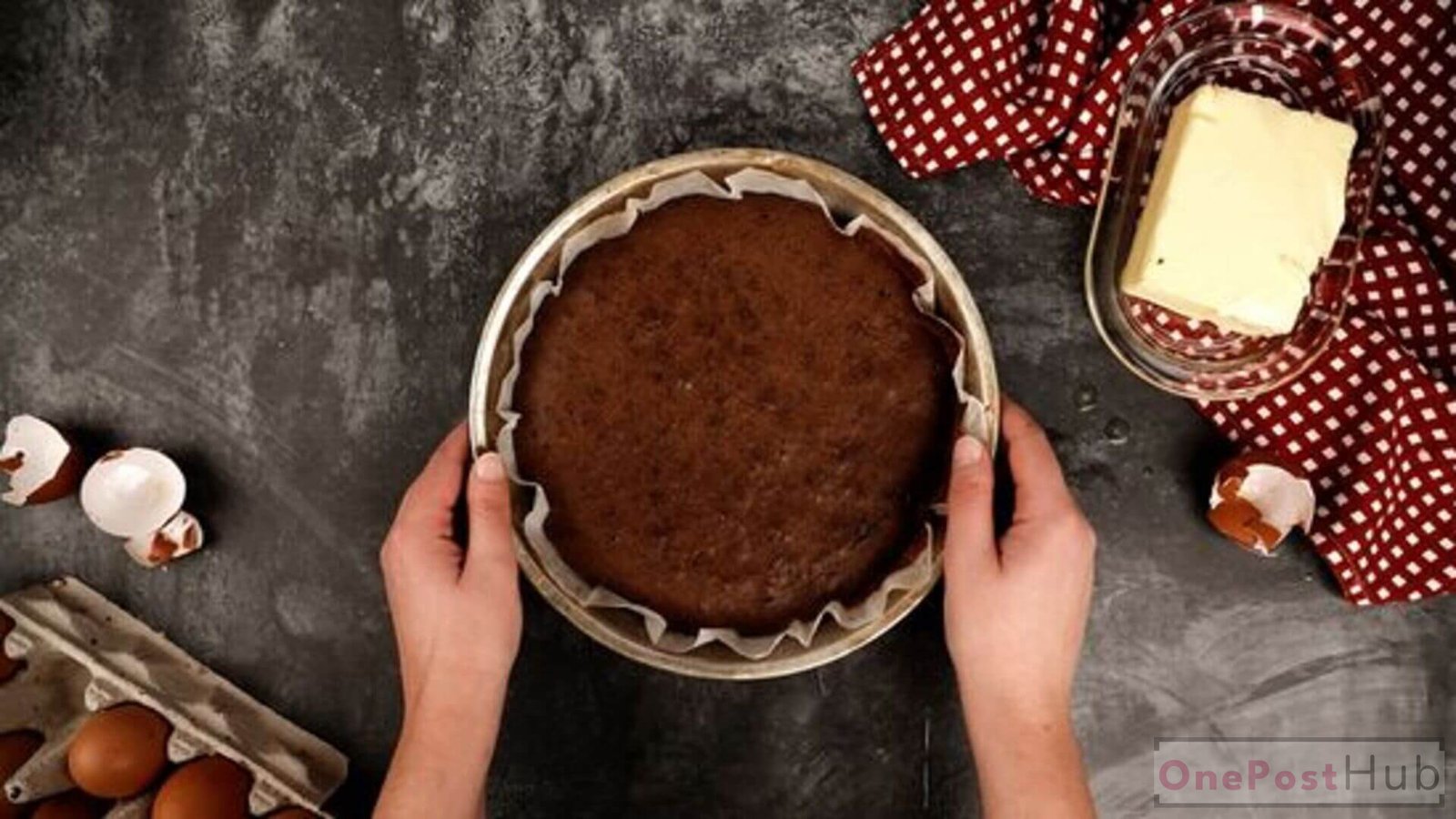

Baking a cake at home can feel intimidating for beginners, but with the right guidance and a clear process, it becomes a simple and rewarding experience. This beginner-friendly guide explains how to bake a cake from scratch using basic ingredients and easy techniques, ensuring consistent results even if you are baking for the first time.
Understanding the Basics of Cake Baking
Before starting, it is important to understand that baking is a precise process. Cakes rely on the correct balance of ingredients, temperature, and timing to rise properly and achieve a soft texture. Unlike cooking, where adjustments can be made midway, baking requires preparation and accuracy. Once you understand this foundation, the process becomes much easier and more enjoyable.
Preparing Your Ingredients and Tools
Successful cake baking begins with proper preparation. All ingredients should be measured accurately and brought to room temperature, especially eggs and butter, as this helps them blend smoothly. Having your baking pan greased and your oven preheated in advance ensures the batter can go straight into the oven without delay, which is essential for even baking and proper rise.
Mixing the Cake Batter Correctly
The batter is the heart of the cake, and how you mix it directly affects the final texture. Butter and sugar are typically creamed together until light and fluffy, which helps incorporate air into the mixture. Eggs are added gradually, followed by dry ingredients such as flour and baking powder. Mixing should be done gently once the flour is added, as overmixing can result in a dense or tough cake.
Baking the Cake at the Right Temperature
Once the batter is ready, it should be poured evenly into the prepared pan and placed in the preheated oven. Baking at the correct temperature allows the cake to rise steadily and bake evenly from the inside out. Opening the oven too early can cause the cake to collapse, so it is best to wait until most of the baking time has passed before checking doneness.
Checking If the Cake Is Fully Baked
A simple way to check if a cake is done is to insert a toothpick or knife into the center. If it comes out clean or with a few dry crumbs, the cake is ready. The surface should also appear lightly golden and spring back when gently pressed. Allowing the cake to cool before removing it from the pan helps it set properly and prevents breaking.
Cooling and Serving the Cake
After baking, the cake should be left to cool in the pan for a short time before being transferred to a wire rack. Cooling completely is important before slicing or decorating, as warm cakes can crumble easily. Once cooled, the cake can be served plain or enhanced with simple toppings such as powdered sugar, frosting, or fresh fruit.
Conclusion
Baking a cake for the first time does not require advanced skills or expensive equipment, only patience and attention to detail. By understanding the basics, preparing ingredients properly, and following each step carefully, beginners can confidently bake a soft and delicious homemade cake. With practice, this simple process becomes a foundation for experimenting with flavors, fillings, and decorations in future baking adventures.

Other Articles

Carson Beck Net Worth in 2026: How Much Is He Worth?
Cdiphone Setup Guide: Easy Step-by-Step Instructions