





Heartworm disease is a serious and potentially fatal condition that affects both dogs and cats. Caused by parasitic worms that live in the heart, lungs, and blood vessels, heartworm disease can lead to severe organ damage if left untreated. The good news is that it is largely preventable with proper care and consistent prevention strategies.
What Is Heartworm Disease?
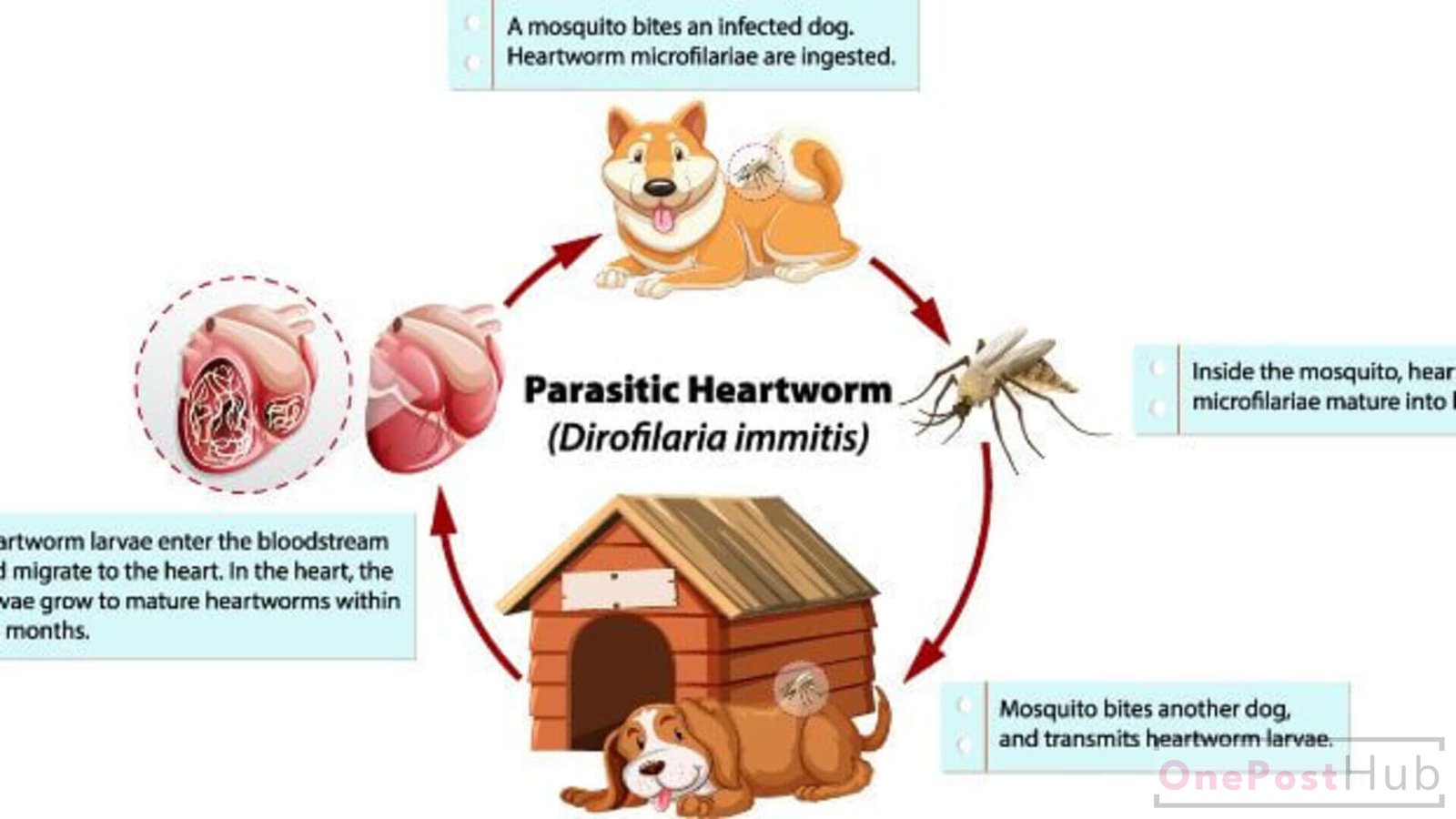
Heartworm disease is caused by the parasite Dirofilaria immitis, which is transmitted through the bite of an infected mosquito. Once inside a pet’s body, immature heartworms mature into adult worms that lodge in vital organs, particularly the heart and lungs.
Dogs are natural hosts for heartworms, meaning the parasites can grow and reproduce easily. Cats are atypical hosts, but even a small number of worms can cause serious illness or sudden death.
How Heartworm Disease Spreads
Heartworm disease spreads exclusively through mosquito bites. When a mosquito bites an infected animal, it picks up microscopic heartworm larvae. These larvae are then transmitted to another dog or cat through a subsequent bite.
Because mosquitoes are present in many climates and seasons, heartworm disease can occur year-round, even in indoor pets.
Symptoms of Heartworm Disease
In Dogs
Symptoms may develop slowly and worsen over time, including:
- Persistent cough
- Fatigue after mild exercise
- Weight loss and decreased appetite
- Difficulty breathing
- Heart failure in advanced cases
In Cats
Cats may show subtle or sudden symptoms such as:
- Coughing or asthma-like attacks
- Vomiting
- Lethargy
- Sudden collapse or death
Cats often show no warning signs, making prevention especially critical.
Preventing Heartworm Disease
Monthly Preventive Medication
The most effective way to prevent heartworm disease is through monthly preventive medications, available as chewable tablets, topical treatments, or injections. These medications kill immature heartworms before they develop into adults.
Veterinarians recommend year-round prevention, even in regions with cold winters.
Annual Heartworm Testing
Dogs should be tested for heartworms once a year, even if they are on preventive medication. Testing ensures early detection and confirms that prevention is working properly.
Cats are not routinely tested the same way as dogs, but regular veterinary checkups are essential.
Mosquito Control
Reducing mosquito exposure helps lower the risk of infection:
- Eliminate standing water around the home
- Use pet-safe mosquito repellents when recommended by a veterinarian
- Keep pets indoors during peak mosquito activity
Veterinary Guidance
Follow prevention guidelines from trusted veterinary authorities such as the American Heartworm Society, which provides up-to-date recommendations based on current research.
Why Prevention Is Better Than Treatment
Treating heartworm disease is:
- Expensive
- Lengthy
- Risky, especially for dogs with advanced infections
For cats, there is no approved treatment that safely eliminates adult heartworms, making prevention the only reliable option.
Heartworm Prevention for Indoor Pets
Many pet owners believe indoor pets are safe, but mosquitoes can easily enter homes. Both indoor dogs and cats remain at risk and should be protected with preventive medication.
Conclusion
Preventing heartworm disease in dogs and cats is far safer, easier, and more affordable than treating it. With consistent preventive medication, regular veterinary visits, and mosquito control, pet owners can protect their animals from this life-threatening disease. Proactive prevention is the key to keeping pets healthy and heartworm-free year-round.

Other Articles

How to Achieve Success Inspired by Mariana Holert
Antarvafna: A Path to Inner Self-Discovery