




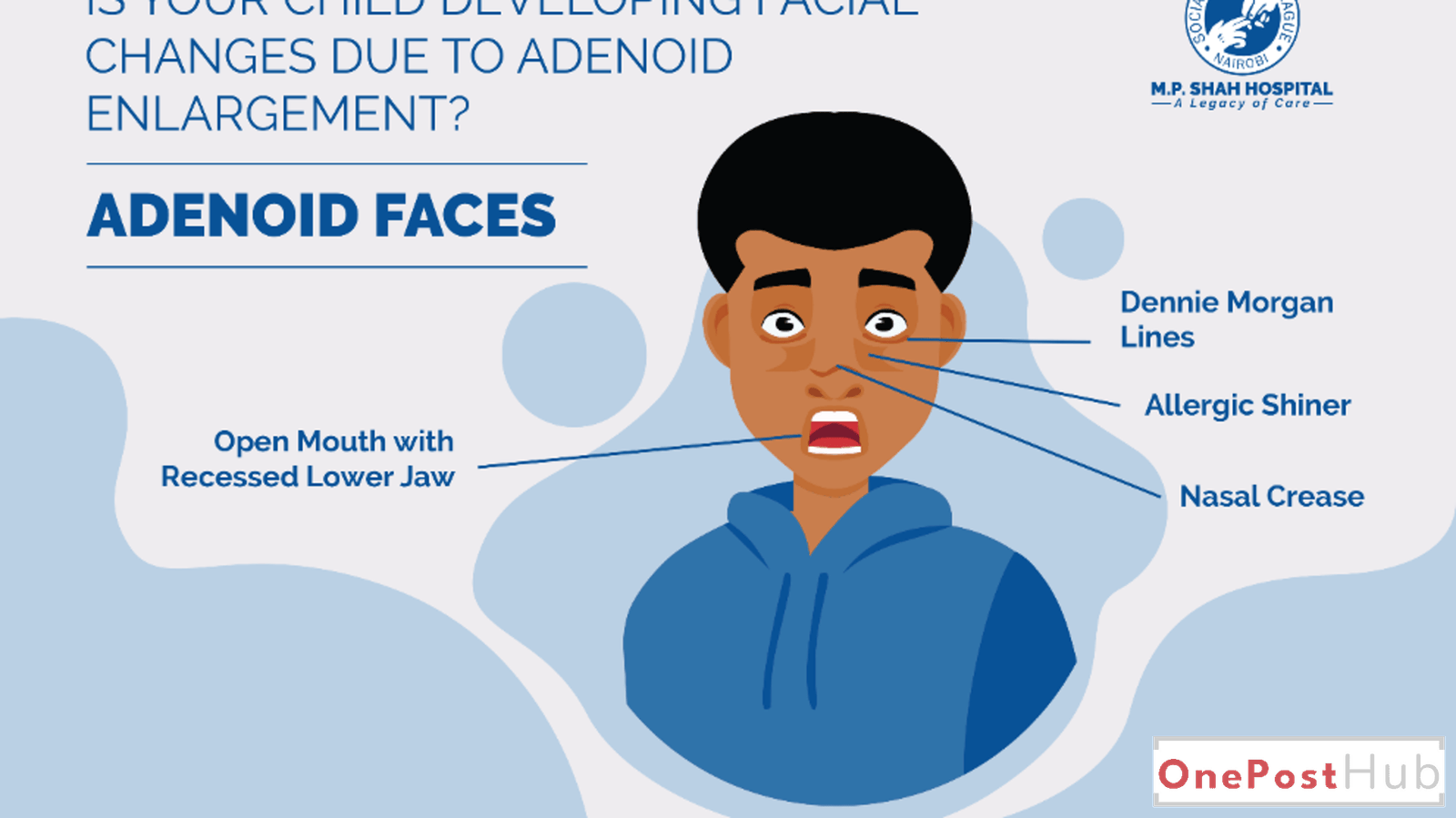

Adenoidid refers to the inflammation or infection of the adenoids, small glands located at the back of the nasal passage above the throat. These glands are part of the immune system and help the body fight infections during early childhood. However, when the adenoids become swollen or infected, a condition commonly referred to as adenoidid can develop, leading to breathing difficulties, nasal blockage, and other health complications. Understanding the symptoms of adenoidid and recognizing when medical treatment or surgery is necessary can help prevent long-term health problems, particularly in children.
Understanding Adenoidid and the Role of Adenoids
Adenoids are lymphatic tissues that play a protective role by trapping bacteria and viruses entering through the nose and mouth. They are most active during childhood, helping the immune system build defenses against infections. However, frequent infections, allergies, or chronic inflammation can cause the adenoids to enlarge. When this inflammation persists, the condition is referred to as adenoidid. Enlarged or infected adenoids can block airflow through the nasal passages, making it difficult for a person to breathe normally through the nose.
Adenoidid is more commonly diagnosed in children because adenoids are largest during early childhood and typically shrink as a person grows older. In some cases, persistent inflammation can interfere with breathing, sleeping, and even ear health, making early diagnosis important.
Common Symptoms of Adenoidid
The symptoms of adenoidid often appear gradually and may initially resemble a common cold or sinus infection. One of the most noticeable signs is persistent nasal congestion, which makes breathing through the nose difficult. Children with adenoidid may frequently breathe through their mouths, especially during sleep. This can lead to dry mouth, snoring, and restless sleep patterns.
Another common symptom is chronic nasal discharge or a blocked nose that does not improve with standard treatments. Some individuals may experience a nasal voice tone because airflow through the nose is restricted. Recurrent ear infections are also associated with adenoidid because enlarged adenoids can block the Eustachian tubes, which help equalize pressure in the ears. Over time, this blockage may lead to hearing problems or repeated middle ear infections.
In more severe cases, enlarged adenoids may cause sleep disturbances such as snoring or interrupted breathing during sleep. Children with this condition may appear tired during the day due to poor sleep quality. These symptoms can affect overall health, concentration, and daily activities.
Causes and Risk Factors of Adenoidid
Adenoidid usually develops as a result of repeated infections caused by bacteria or viruses. Frequent colds, sinus infections, or throat infections can lead to chronic inflammation of the adenoids. Allergies may also contribute to swelling and irritation, increasing the likelihood of persistent enlargement.
Environmental factors can sometimes worsen the condition. Exposure to air pollution, tobacco smoke, or other respiratory irritants may increase inflammation in the nasal passages and throat. In some children, genetic predisposition or naturally larger adenoids can make them more susceptible to developing adenoidid and its associated symptoms.
How Adenoidid Is Diagnosed
Diagnosis of adenoidid typically involves a medical evaluation by an ear, nose, and throat specialist. Doctors usually begin by reviewing the patient’s symptoms and medical history, particularly if there are recurring infections or breathing difficulties. A physical examination of the throat and nasal passages may provide initial clues about the presence of enlarged adenoids.
In some cases, doctors may use a small camera or endoscope to view the adenoids more clearly. Imaging tests such as X-rays may also help determine the size of the adenoids and the extent of airway blockage. Accurate diagnosis is important because the symptoms of adenoidid can sometimes resemble other respiratory conditions.
Treatment Options for Adenoidid
Treatment for adenoidid depends on the severity of the symptoms and how significantly the enlarged adenoids affect breathing and overall health. Mild cases may be managed with medications that reduce inflammation or treat infections. Antibiotics may be prescribed when bacterial infections are present, while nasal sprays or allergy medications can help control swelling related to allergies.
In many cases, symptoms improve as children grow older and the adenoids naturally shrink. Doctors often monitor the condition before recommending surgical intervention, especially if symptoms are manageable and do not significantly affect daily life.
When Surgery Is Needed for Adenoidid
Surgery may be considered when adenoidid causes persistent health problems that do not improve with medical treatment. The procedure, known as an adenoidectomy, involves removing the enlarged adenoids to restore normal airflow and reduce recurring infections. Doctors typically recommend surgery if a child experiences severe breathing difficulties, chronic ear infections, sleep disturbances, or repeated sinus infections linked to enlarged adenoids.
An adenoidectomy is generally considered a safe and common procedure performed by ENT specialists. Recovery is usually quick, and many patients experience noticeable improvements in breathing, sleep quality, and overall comfort after surgery.
Potential Complications if Adenoidid Is Untreated
If adenoidid remains untreated for an extended period, it can lead to complications affecting both respiratory and ear health. Chronic nasal obstruction may contribute to ongoing mouth breathing, which can cause dryness, throat irritation, and sleep disruption. Recurrent ear infections linked to blocked Eustachian tubes may also affect hearing in some cases.
Long-term breathing difficulties may influence facial development in children if the condition persists for years without treatment. Because of these potential complications, timely evaluation and appropriate medical care are important for managing adenoidid effectively.
Conclusion
Adenoidid is a condition characterized by inflammation or enlargement of the adenoids that can significantly affect breathing, sleep, and ear health, especially in children. Recognizing the symptoms early and seeking medical evaluation can help determine whether the condition can be managed with medication or requires surgical treatment. While many cases improve as children grow older, persistent or severe symptoms may require an adenoidectomy to restore normal breathing and prevent complications. Understanding the causes, symptoms, and treatment options for adenoidid allows patients and caregivers to make informed decisions about managing this common yet treatable condition.

Other Articles

Chief Technical Examiner Explained: Duties and Role
Aleksandra Plus and the Future of Plus-Size Fashion