




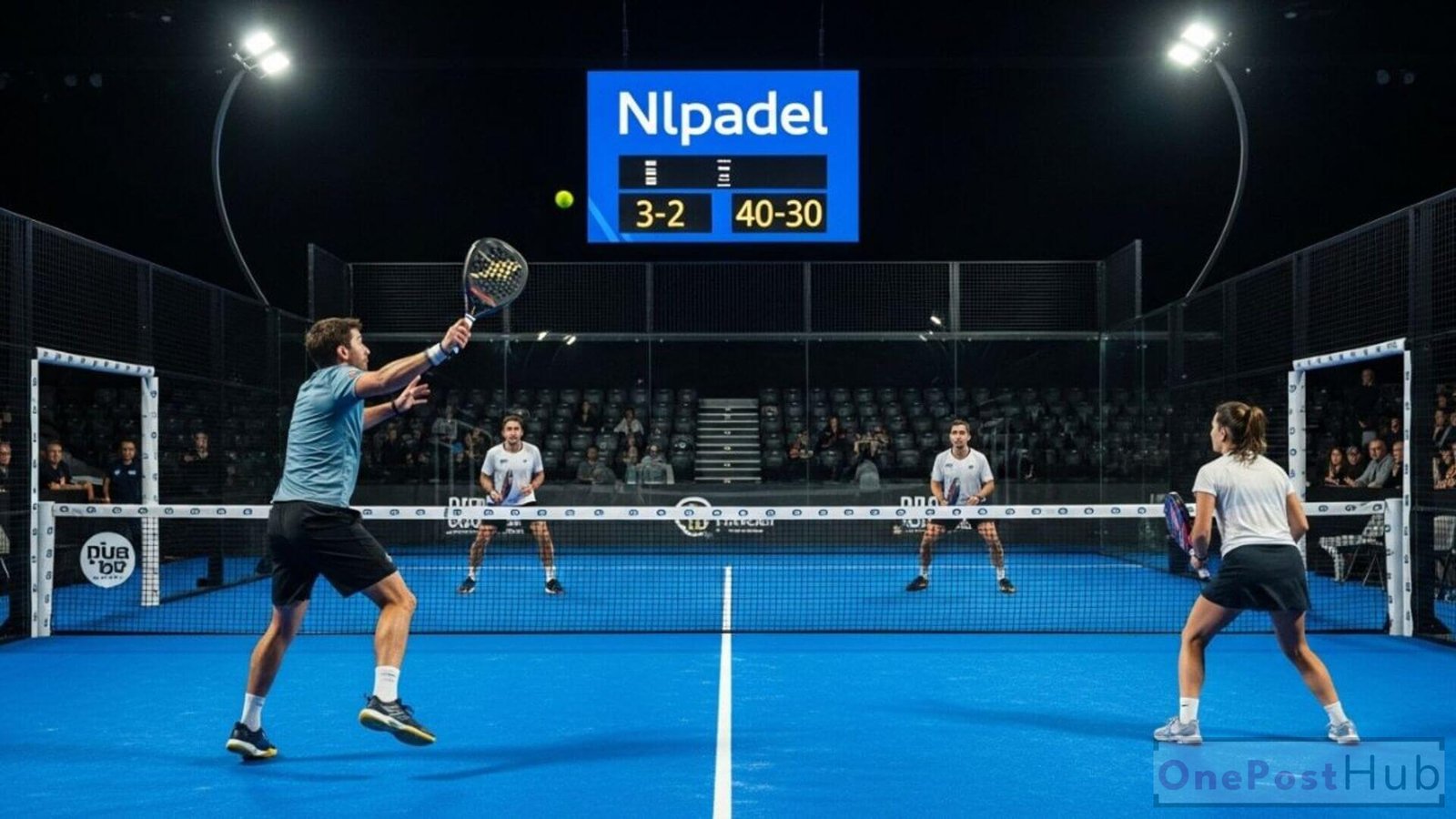

Padel has rapidly grown into one of the most competitive and strategic racket sports worldwide. Often played in doubles on an enclosed court, padel requires a blend of technical skill, positioning awareness, teamwork, and mental resilience. For players following the structured training philosophy often associated with “Nlpadel” methodology, success is not just about power but about control, anticipation, and tactical intelligence. Mastering the right strategies can significantly increase your match-winning potential.
1. Understanding Court Positioning and Control
One of the most fundamental strategies in padel is maintaining control of the net. Winning teams dominate rallies by moving forward together and controlling angles from the front of the court. Playing from the baseline is often defensive, while occupying the net allows players to apply pressure and dictate pace. Effective positioning also means staying aligned with your partner, avoiding large gaps, and moving as a coordinated unit to respond to opponents’ shots.
2. Mastering the Serve and Return Game
Although the padel serve is underhand and less aggressive than tennis, it plays a crucial tactical role. A well-placed serve can force weak returns, giving your team an opportunity to advance to the net quickly. Similarly, a strong return strategy focuses on keeping the ball low and deep, preventing opponents from gaining immediate net control. Precision and placement are more valuable than raw power in both serving and returning.
3. Using the Glass Walls to Your Advantage
Unlike many other racket sports, padel incorporates glass walls as part of active play. Skilled players anticipate rebounds and use the walls strategically to reset points or create difficult angles. Instead of fearing the back wall, experienced competitors allow the ball to bounce and rebound when appropriate, turning defensive positions into controlled counterattacks. Understanding wall dynamics can transform your defensive game into an offensive opportunity.
4. Prioritizing Consistency Over Power
One of the most effective Nlpadel principles is valuing consistency above risky aggression. Many matches are won not by spectacular winners but by minimizing unforced errors. Keeping rallies alive, maintaining controlled shot selection, and waiting for the right opportunity to attack can wear down opponents mentally and physically. Strategic patience often proves more successful than constant high-risk play.
5. Communicating Effectively With Your Partner
Since padel is typically played in doubles, communication is a cornerstone of success. Clear verbal and non-verbal signals help prevent confusion over shot selection and court coverage. Partners should continuously adjust positioning based on each other’s movements. A synchronized team that communicates efficiently can defend better and transition more smoothly from defense to offense.
6. Controlling the Lob and Overhead Game
The lob is one of the most powerful tactical tools in padel. A well-timed lob can push opponents away from the net and shift momentum. However, mastering overhead shots such as smashes and bandejas is equally important. Proper execution of overhead shots allows teams to maintain net control without overcommitting. The balance between offensive smashes and controlled overhead placements defines advanced strategic play.
7. Targeting Weak Zones and Opponent Gaps
Successful players carefully analyze opponent positioning and target weak areas of the court. This includes aiming between two opponents to create confusion or directing shots toward a player with weaker backhand control. Intelligent shot placement forces errors and creates scoring opportunities without unnecessary risk. Tactical awareness of gaps and angles separates average players from advanced competitors.
8. Maintaining Mental Discipline Under Pressure
Padel matches can shift momentum quickly, especially in close sets. Mental strength is crucial during long rallies or tie-break situations. Staying composed, avoiding frustration after mistakes, and maintaining focus on strategy rather than emotion can influence match outcomes significantly. Players who remain mentally steady often capitalize on opponents’ lapses in concentration.
9. Improving Defensive Recovery Skills
Not every rally will be controlled from the net. Strong defensive recovery skills allow players to reset points when under pressure. This involves accurate wall use, deep defensive lobs, and controlled counter-shots. Effective recovery prevents opponents from finishing points quickly and gives your team another chance to regain offensive positioning.
10. Adapting Strategy Based on Match Dynamics
No single tactic guarantees victory in every match. Successful players continuously adapt based on opponent strengths, court conditions, and momentum shifts. Recognizing patterns in opponents’ play allows you to adjust shot selection, positioning, and tempo accordingly. Flexibility in strategy is a defining characteristic of advanced competitive players.
Conclusion
Winning more matches in padel requires more than technical ability; it demands strategic awareness, teamwork, and disciplined execution. By focusing on positioning, controlled aggression, effective communication, and mental resilience, players can significantly enhance their performance. The principles often emphasized in Nlpadel-style play highlight the importance of intelligence and adaptability over brute force. With consistent practice and strategic refinement, these proven approaches can elevate your game and increase your chances of success on the court.

Other Articles

Türk Idla: A Rising Name in the Digital World
Josh Winterhalt: Biography, Age, Wife & Net Worth