



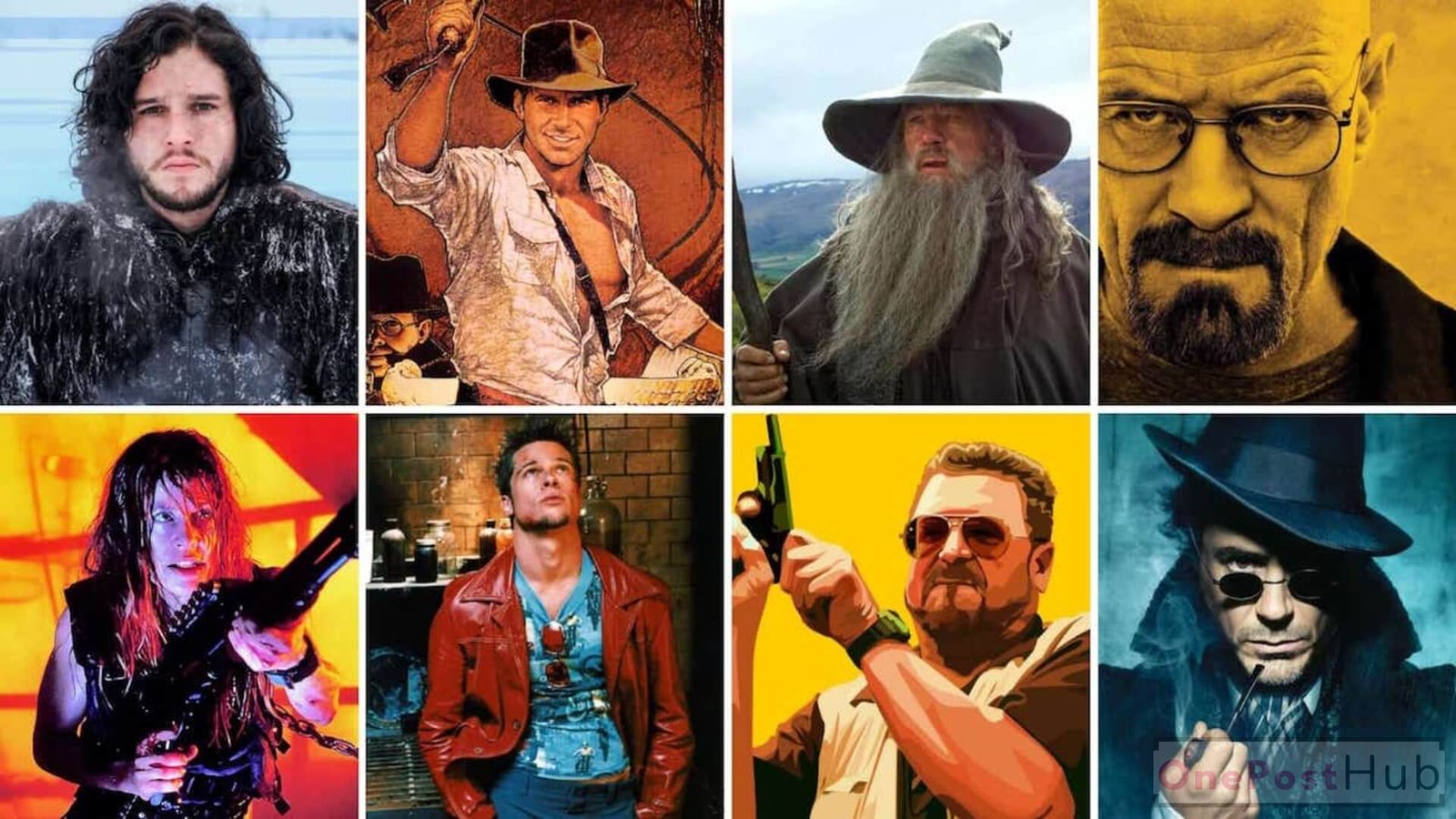

Character archetypes are recurring character types that appear across literature, film, mythology, and modern storytelling. These archetypes represent universal patterns of behavior and personality that audiences instinctively recognize. From ancient epics to contemporary novels and blockbuster films, archetypes help shape compelling narratives by providing familiar yet adaptable character frameworks. Understanding the most common character archetypes can deepen both literary analysis and creative writing, while also revealing why certain stories resonate so strongly across cultures and generations.
What Are Character Archetypes and Why They Matter
Character archetypes originate from universal storytelling traditions and psychological theory, particularly the work of Swiss psychologist Carl Jung, who proposed that archetypes are part of the collective unconscious shared by humanity. In literature and media, archetypes serve as foundational character models that writers adapt and refine to create unique personalities. They help audiences quickly understand motivations, strengths, weaknesses, and potential character arcs without lengthy exposition. While archetypes provide structure, effective storytelling ensures they are developed with depth and individuality rather than remaining one-dimensional stereotypes.
The Hero Archetype
The Hero is one of the most recognizable archetypes in storytelling. This character typically embarks on a journey, faces challenges, and undergoes transformation. Heroes often possess courage, determination, and a strong moral compass, though they may begin as reluctant or flawed individuals. The Hero’s journey frequently involves sacrifice, personal growth, and the pursuit of justice or restoration. Classic and modern stories alike rely on this archetype because it reflects universal themes of struggle and triumph.
The Mentor Archetype
The Mentor acts as a guide, teacher, or source of wisdom for the Hero. This archetype provides knowledge, tools, or insight that prepares the protagonist for upcoming trials. Mentors often embody experience and stability, helping the Hero recognize their potential. While they may not always accompany the Hero throughout the entire journey, their influence shapes the protagonist’s development. The Mentor’s role reinforces the importance of guidance, legacy, and learning within narratives.
The Villain Archetype
The Villain serves as the primary antagonist and obstacle to the Hero’s success. This archetype represents opposition, whether driven by power, revenge, ideology, or personal ambition. A well-crafted Villain is more than a simple embodiment of evil; compelling antagonists often possess motivations that make their actions understandable, if not justifiable. The presence of a strong Villain intensifies conflict and raises the stakes, forcing the Hero to grow and adapt.
The Anti-Hero Archetype
Unlike the traditional Hero, the Anti-Hero lacks conventional heroic qualities such as idealism or unwavering morality. This archetype may be flawed, cynical, or morally ambiguous, yet still serves as the central figure of the story. Anti-Heroes often operate in morally complex worlds where right and wrong are not clearly defined. Their appeal lies in realism and internal conflict, reflecting the complexities of human nature rather than idealized virtue.
The Sidekick Archetype
The Sidekick supports the Hero emotionally or practically throughout the narrative. This archetype often provides loyalty, humor, or an alternative perspective. While not always the most powerful character, the Sidekick’s presence reinforces themes of friendship and teamwork. In many stories, the Sidekick also acts as a grounding influence, reminding the Hero of their humanity and purpose.
The Trickster Archetype
The Trickster introduces unpredictability and disruption into the narrative. This archetype challenges authority, questions norms, and often uses wit or deception to achieve goals. Tricksters can be allies or adversaries, but their primary function is to create movement within the story. By challenging expectations, the Trickster exposes weaknesses in other characters and forces change.
The Damsel or Vulnerable Character Archetype
Historically, the Damsel archetype represents a character who requires rescue or protection. While modern storytelling has evolved to avoid one-dimensional portrayals, the vulnerable character archetype still appears in various forms. Today, such characters are often given greater agency, contributing actively to their own rescue or growth. This evolution reflects shifting cultural values around independence and empowerment.
The Caregiver Archetype
The Caregiver is defined by compassion, empathy, and selflessness. This archetype prioritizes the well-being of others and often provides emotional stability within the story. Caregivers can serve as parental figures, loyal companions, or moral anchors. Their presence reinforces themes of sacrifice, love, and protection.
The Ruler Archetype
The Ruler seeks control, order, and leadership. This archetype often appears as a king, queen, CEO, or authority figure who values structure and responsibility. Depending on how the character is written, the Ruler may act as a just leader or a tyrannical force. This archetype explores themes of power, governance, and accountability.
How Archetypes Shape Modern Storytelling
While archetypes remain consistent across time, modern storytelling frequently subverts or blends them. A single character may embody elements of multiple archetypes, creating depth and unpredictability. For example, a Hero might display Anti-Hero tendencies, or a Mentor may harbor hidden flaws. These combinations prevent stories from becoming formulaic while still benefiting from recognizable narrative foundations.
Writers use archetypes as starting points rather than rigid templates. By adding unique backstories, internal conflicts, and personal motivations, creators transform universal patterns into memorable characters. This balance between familiarity and originality is what allows archetypes to remain relevant in contemporary media.
Conclusion
Character archetypes continue to play a fundamental role in storytelling because they reflect universal human experiences and psychological patterns. From the courageous Hero to the complex Anti-Hero and formidable Villain, these archetypes provide structure while allowing room for creativity and nuance. Understanding the most common character archetypes not only enhances literary analysis but also empowers writers to craft richer, more compelling narratives that resonate with audiences across cultures and generations.


Top 7 Ways to Convert Spotify to MP3
10 Essential Friends Glossary Terms Explained