




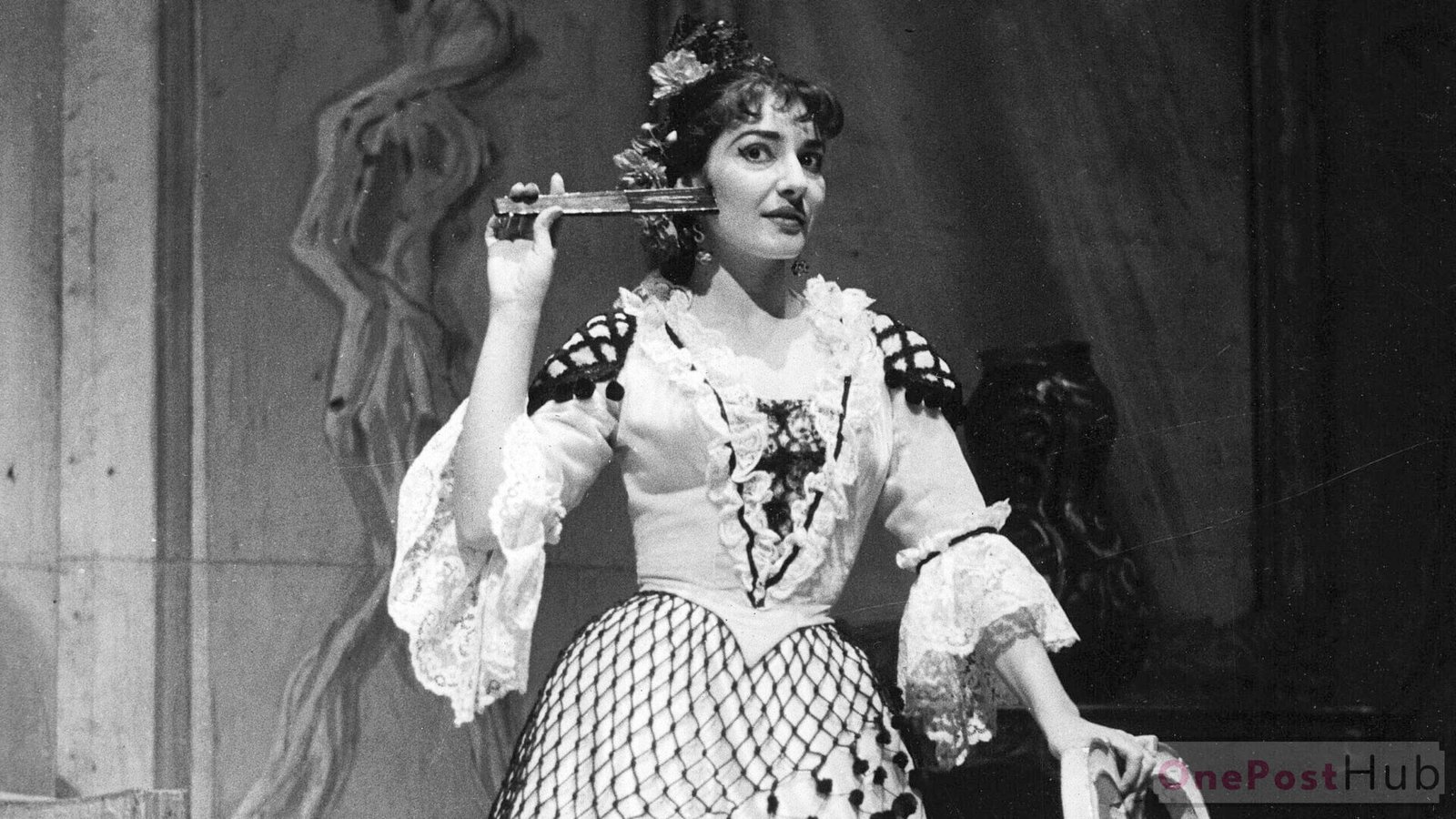

Maria Callas remains one of the most influential figures in the history of opera, celebrated not only for her extraordinary vocal range but also for her unmatched dramatic intensity. Her performances redefined operatic interpretation by blending technical mastery with deep emotional realism. Rather than focusing solely on vocal perfection, Callas brought complex psychological depth to her roles, making each performance feel intensely human and unforgettable.
Maria Callas and the Transformation of Operatic Performance
Maria Callas emerged at a time when opera singers were often admired primarily for vocal beauty and power. She transformed this tradition by emphasizing character, emotion, and storytelling. Her approach treated opera as dramatic theater rather than a purely musical display. This shift allowed audiences to connect more deeply with the characters she portrayed and elevated opera into a more emotionally immersive art form. Callas’s ability to convey vulnerability, rage, and despair through both voice and physical presence set a new standard for operatic excellence.
Norma and the Redefinition of Tragic Heroism
One of Maria Callas’s most iconic performances was her portrayal of Norma in Vincenzo Bellini’s Norma. This role became inseparable from her legacy. Callas brought an unprecedented emotional complexity to Norma, portraying her not merely as a powerful priestess but as a deeply conflicted woman torn between duty, love, and betrayal. Her vocal control allowed her to navigate the role’s demanding range while expressing subtle emotional shifts, making her interpretation the benchmark against which all others are measured.
Tosca and the Power of Emotional Realism
In Giacomo Puccini’s Tosca, Maria Callas delivered performances that were both vocally commanding and emotionally devastating. Her portrayal of Floria Tosca captured the character’s passion, jealousy, fear, and desperation with striking realism. Callas’s interpretation emphasized Tosca’s humanity rather than operatic grandeur alone, particularly in moments of psychological collapse. This performance showcased her unique ability to align vocal expression with dramatic intention, turning each aria into a narrative turning point.
La Traviata and the Depth of Vulnerability
Callas’s performance as Violetta in Giuseppe Verdi’s La Traviata is widely regarded as one of the most emotionally nuanced interpretations of the role. She portrayed Violetta not as a glamorous figure but as a fragile woman shaped by sacrifice and societal judgment. Through careful phrasing and expressive restraint, Callas conveyed vulnerability and inner turmoil, allowing audiences to experience the character’s emotional journey in an intimate and profoundly moving way.
Medea and the Intensity of Tragic Expression
Another defining role in Maria Callas’s career was Medea, particularly in Cherubini’s Medea. This performance demonstrated her extraordinary dramatic power. Callas’s portrayal captured the raw fury and psychological torment of the character, making the tragedy feel immediate and visceral. Her commanding stage presence and fearless emotional delivery transformed Medea into one of the most intense operatic experiences of the twentieth century.
Legacy of Maria Callas’s Iconic Performances
Maria Callas’s most iconic performances continue to influence opera singers and directors today. Her insistence on dramatic truth reshaped performance standards and inspired a generation of artists to prioritize emotional authenticity alongside technical precision. Recordings and archival footage of her work remain widely studied, serving as enduring examples of how opera can convey profound human emotion.
Conclusion
In conclusion, exploring Maria Callas’s most iconic performances reveals an artist who permanently transformed opera through emotional depth, dramatic realism, and fearless interpretation. From Norma and Tosca to La Traviata and Medea, Callas brought a level of psychological complexity that redefined what operatic performance could achieve. Her legacy endures not only through recordings and historical acclaim but through the lasting influence she continues to have on how opera is performed, experienced, and understood today.

Other Articles

Geekzilla Podcast Explained: Why It’s Worth Listening
Exhentaime Explained: 7 Important Things to Know