




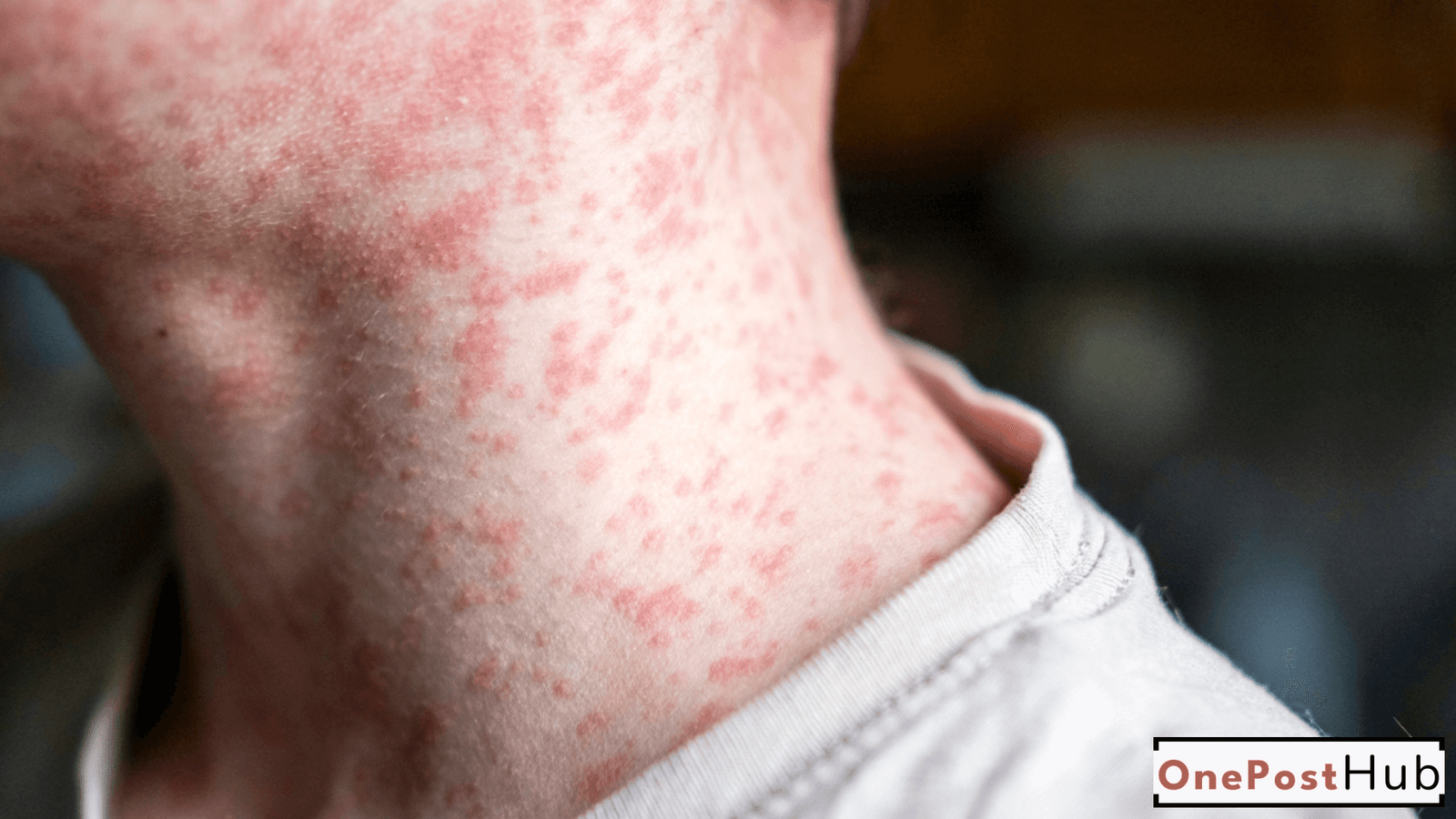

Measles outbreaks continue to be a global public health concern despite the availability of an effective vaccine. Measles is not a mild childhood illness; it is a highly contagious viral disease that can lead to serious complications, especially in unvaccinated populations. Understanding the key facts behind measles outbreaks helps explain why health authorities emphasize vaccination, early detection, and community-level prevention.
Measles Is One of the Most Contagious Viruses Known
Measles spreads more easily than most viral infections. The virus is transmitted through respiratory droplets when an infected person coughs, sneezes, or even breathes. What makes measles particularly dangerous is that the virus can remain active in the air or on surfaces for up to two hours after an infected person leaves an area. This means individuals can become infected without having direct contact with the sick person, which allows outbreaks to grow rapidly in crowded or poorly vaccinated communities.
Outbreaks Mostly Occur Where Vaccination Rates Are Low
The primary driver of measles outbreaks is insufficient vaccination coverage. When a significant portion of a population is unvaccinated, herd immunity breaks down, allowing the virus to spread quickly. According to global health authorities such as World Health Organization and Centers for Disease Control and Prevention, even small declines in measles-mumps-rubella (MMR) vaccination rates can lead to sudden outbreaks. These outbreaks often begin in localized communities but can spread nationally and internationally through travel.
Symptoms Can Be Severe, Especially in Children
Measles usually begins with fever, cough, runny nose, and red, watery eyes, followed by a distinctive rash that spreads across the body. While many people recover, measles can cause serious complications such as pneumonia, encephalitis, blindness, and severe dehydration. Young children, pregnant women, and individuals with weakened immune systems face the highest risk of life-threatening outcomes. This is why measles outbreaks place significant strain on healthcare systems.
Measles Can Weaken the Immune System Long After Infection
One lesser-known but critical fact about measles is its long-term impact on the immune system. Research has shown that measles can erase immune memory, making individuals more vulnerable to other infections for months or even years after recovery. This phenomenon, sometimes referred to as “immune amnesia,” explains why measles outbreaks are often followed by increases in other infectious diseases within affected communities.
International Travel Plays a Major Role in Outbreak Spread
Measles remains common in several parts of the world, and international travel allows the virus to cross borders easily. Many outbreaks begin when an unvaccinated traveler brings the virus into a country where measles had previously been under control. Because symptoms can take up to two weeks to appear, infected individuals may unknowingly spread the virus before realizing they are sick, accelerating the outbreak.
Vaccination Is Highly Effective and Safe
The MMR vaccine is one of the most effective tools in preventing measles outbreaks. Two doses provide about 97 percent protection against measles, dramatically reducing the risk of infection and transmission. Widespread vaccination has led to massive declines in measles cases and deaths worldwide. Health authorities consistently confirm that the benefits of vaccination far outweigh the risks, making it the cornerstone of measles prevention strategies.
Outbreaks Are Preventable With Early Public Health Action
Measles outbreaks can often be contained when detected early. Rapid case identification, isolation of infected individuals, vaccination campaigns, and public awareness efforts are essential to stopping transmission. Public health systems rely on timely reporting and community cooperation to prevent small clusters from turning into widespread outbreaks. Strong surveillance and vaccination programs remain the most effective defense.
Conclusion
In conclusion, measles outbreaks are a clear reminder that infectious diseases can quickly resurface when prevention efforts weaken. The virus’s extreme contagiousness, combined with low vaccination coverage and global travel, creates conditions where outbreaks can spread rapidly and cause serious harm. Understanding these key facts highlights why vaccination, early detection, and strong public health systems are essential to protecting communities and preventing future measles outbreaks.

Other Articles

Nick Saban Coaching Legacy: A Masterclass in Leadership
Darlnaija Explained: A Step-by-Step Guide for Beginners