




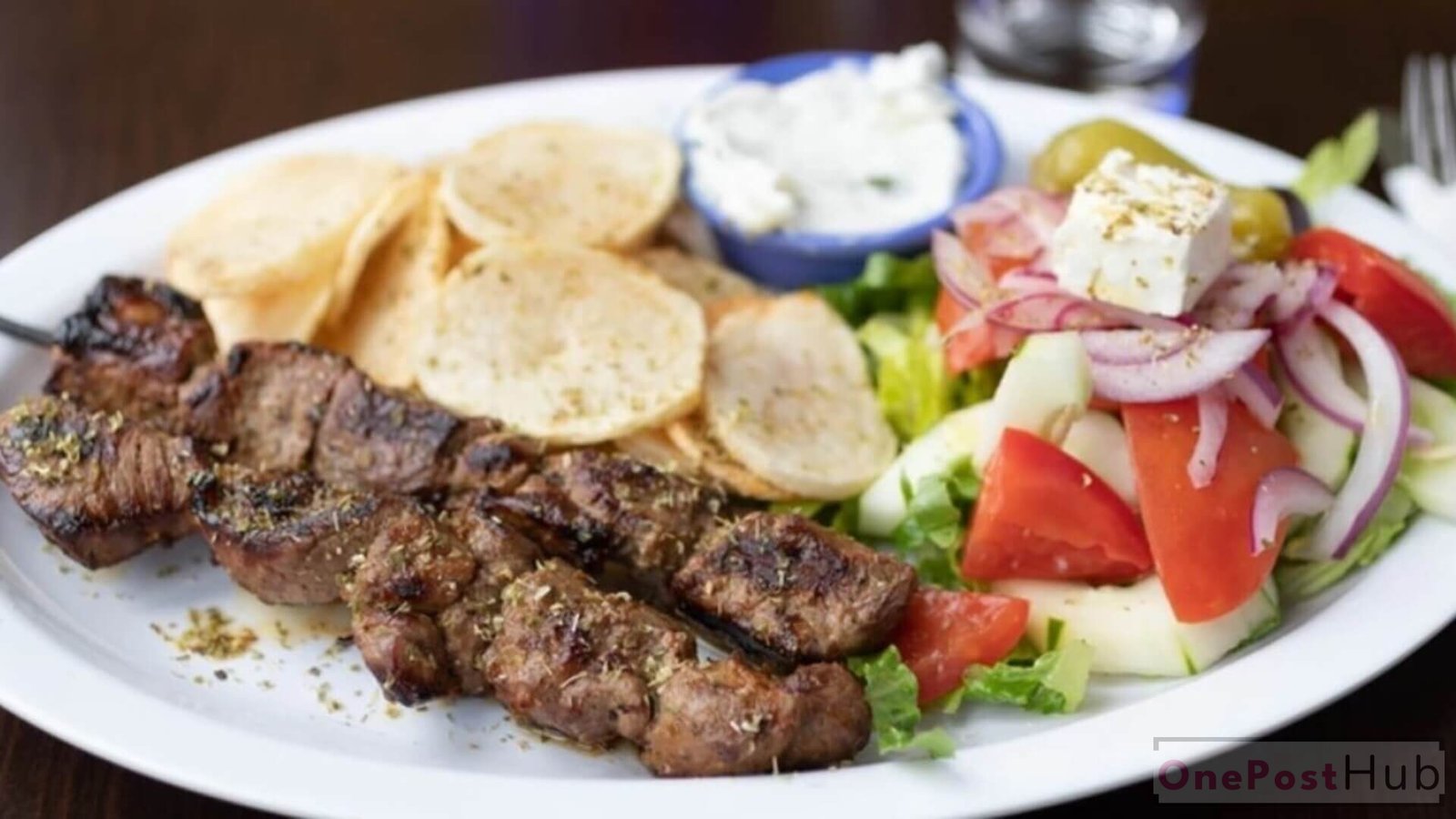

Taverna salads are a cornerstone of Mediterranean cuisine, known for their fresh ingredients, bold flavors, and simple preparation. Traditionally served in Greek tavernas alongside grilled meats, seafood, or warm bread, these salads celebrate seasonal produce, high-quality olive oil, and balanced textures. While the classic version is widely loved, there are several delicious variations that highlight regional preferences and modern twists while staying true to authentic Mediterranean roots.
Classic Greek Taverna Salad
The traditional Greek taverna salad, often referred to as horiatiki, is built around ripe tomatoes, crisp cucumbers, red onions, green peppers, Kalamata olives, and a thick slab of feta cheese. Dressed simply with extra virgin olive oil, oregano, and a touch of salt, this version relies entirely on ingredient quality rather than heavy seasoning. Its freshness and simplicity make it a timeless favorite in tavernas across Greece.
Taverna Salad With Grilled Chicken
This variation adds grilled chicken to the classic base, making it a more filling and protein-rich option. The chicken is typically marinated with olive oil, lemon, garlic, and herbs before being grilled to enhance its flavor without overpowering the salad. The combination of smoky, tender chicken with fresh vegetables and salty feta creates a balanced dish that works well as a light main course.
Seafood-Inspired Taverna Salad
In coastal regions, taverna salads are often paired with seafood, and some variations incorporate grilled shrimp or calamari directly into the salad. The seafood is lightly seasoned and grilled to preserve its natural taste, then placed over a bed of fresh vegetables. The result is a refreshing yet indulgent salad that captures the essence of Mediterranean seaside dining.
Creamy Yogurt-Based Taverna Salad
This version introduces a light yogurt-based dressing inspired by tzatziki flavors. Greek yogurt is blended with garlic, lemon juice, and olive oil, then gently tossed with the vegetables instead of a traditional oil-only dressing. The creaminess adds richness while still keeping the salad refreshing, making it especially appealing during warmer months.
Chickpea and Herb Taverna Salad
Adding chickpeas transforms the taverna salad into a heartier and more fiber-rich dish. The chickpeas absorb the olive oil and herbs beautifully, complementing the crunch of fresh vegetables. Fresh parsley or dill is often added to enhance aroma and flavor, making this variation both nutritious and satisfying without losing its Mediterranean character.
Roasted Vegetable Taverna Salad
For a deeper, more robust flavor profile, some versions include roasted vegetables such as zucchini, bell peppers, or eggplant. Roasting brings out natural sweetness and adds a slightly smoky element to the salad. When combined with feta and olives, this variation offers a comforting twist on the traditionally raw preparation.
Modern Avocado Taverna Salad
A more contemporary take includes avocado, which adds a creamy texture and mild flavor that blends well with classic ingredients. While not traditional, avocado has become a popular addition in modern tavernas and home kitchens. Its richness pairs especially well with lemon juice and olive oil, creating a smooth contrast to crisp vegetables.
Conclusion
Taverna salads are versatile, flavorful, and deeply rooted in Mediterranean culinary tradition. Whether you prefer the classic Greek version or enjoy experimenting with grilled proteins, seafood, or modern ingredients, these seven variations showcase how adaptable and satisfying a taverna salad can be. By focusing on fresh produce and simple preparation, each version delivers a delicious experience that reflects the relaxed, communal spirit of taverna dining.

Other Articles
10 Creative Ways to Use Pravi Celery in Cooking
White Linen Cocktail: How to Make This Classic Drink