




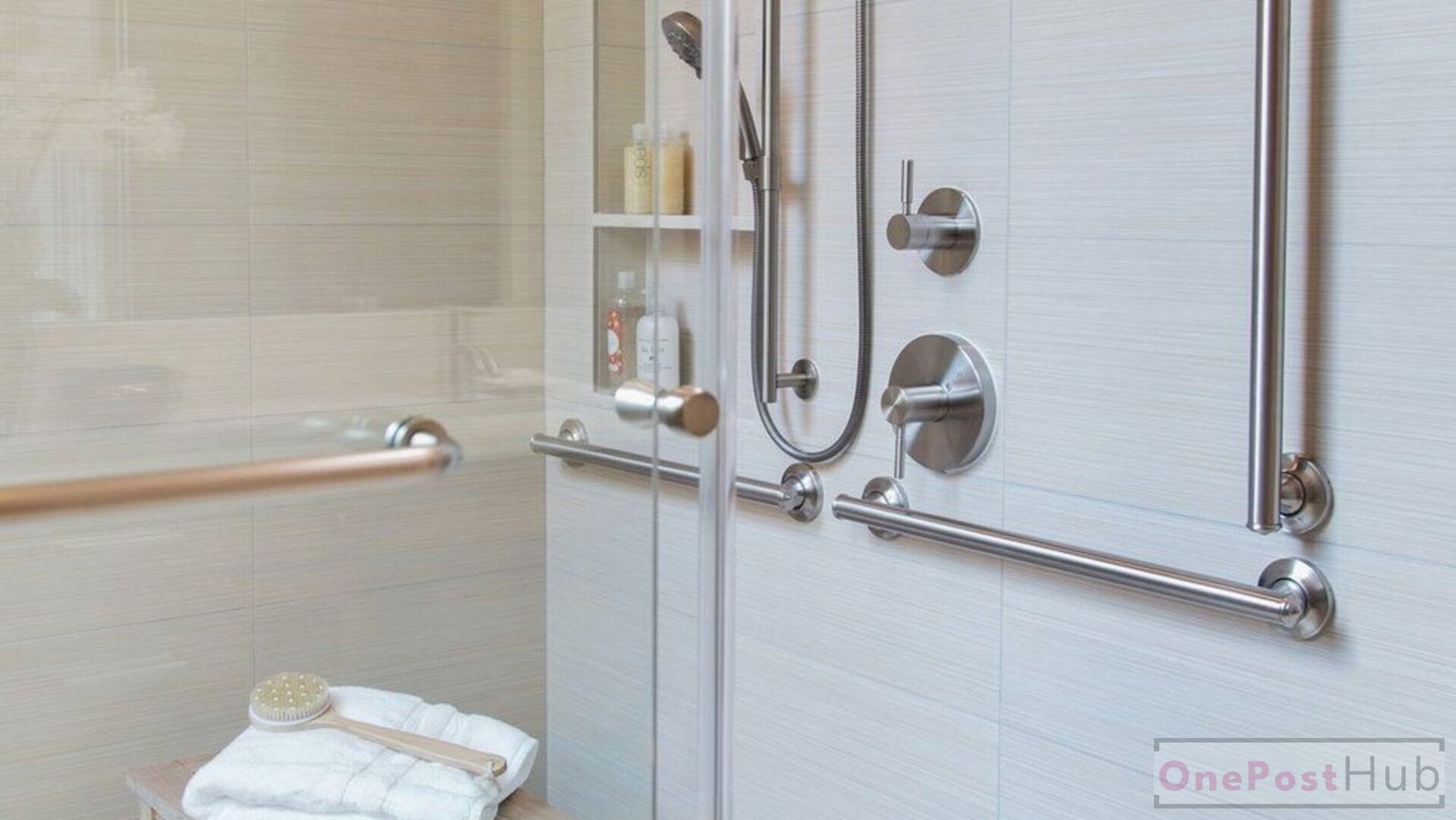

Bathroom grab bars play a critical role in preventing slips and falls, especially in wet environments where balance can be compromised. Choosing the right grab bar depends on factors such as wall structure, user strength, placement location, and long-term durability. Below is a detailed, paragraph-based guide to the top grabbed bars commonly recommended for bathroom safety, written to help homeowners and caregivers make informed, safety-focused decisions.
1. Wall-Mounted Stainless Steel Grab Bars
Wall-mounted stainless steel grab bars are considered the gold standard for bathroom safety due to their strength and reliability. These bars are permanently fixed into wall studs or reinforced walls, allowing them to support significant body weight. Stainless steel construction offers excellent resistance to rust and corrosion, making these bars ideal for showers and bathtubs. Their textured or knurled surfaces also improve grip, even when hands are wet.
2. ADA-Compliant Grab Bars
ADA-compliant grab bars are designed according to accessibility guidelines that ensure proper diameter, spacing, and load-bearing capacity. These grab bars are particularly suitable for seniors and individuals with mobility limitations because they are engineered for consistent support. Their standardized dimensions make them easy to grasp, and they are often used in accessible homes, hotels, and healthcare facilities.
3. Shower-Specific Grab Bars
Grab bars designed specifically for showers are built to withstand constant moisture and frequent use. These bars are often installed vertically or diagonally to provide support during standing, turning, or stepping in and out of the shower. Their placement helps reduce the risk of slips during bathing, which is one of the most common locations for bathroom-related injuries.
4. Toilet Safety Grab Bars
Toilet grab bars provide essential assistance when sitting down or standing up, particularly for individuals with knee, hip, or balance issues. These bars are typically mounted beside or behind the toilet to offer leverage and stability. Some designs blend discreetly into bathroom décor while still providing strong, dependable support for daily use.
5. Flip-Up or Swing-Away Grab Bars
Flip-up grab bars are an excellent option for bathrooms with limited space. These bars can be lifted or folded against the wall when not in use, allowing flexibility without sacrificing safety. They are commonly installed near toilets or narrow shower areas and are especially useful in shared bathrooms where accessibility needs vary among users.
6. Textured or Anti-Slip Grab Bars
Grab bars with textured or anti-slip surfaces are designed to improve grip and reduce the chance of hands slipping during use. These bars are particularly beneficial in environments where soap, shampoo, or water residue is present. Enhanced grip surfaces add an extra layer of safety, especially for users with reduced hand strength.
7. Suction Grab Bars for Temporary Support
Suction grab bars offer a non-permanent safety solution for renters or temporary use situations. They attach to smooth surfaces such as tile or glass without drilling. While convenient, these bars should only be used for balance assistance and not full body weight support, as their holding strength depends heavily on surface conditions.
8. Corner Grab Bars
Corner grab bars are designed to fit into bathroom corners, offering support from two angles simultaneously. This design is especially useful in showers or near bathtubs where movement often involves turning. Corner bars maximize stability while efficiently using available wall space.
9. Decorative Grab Bars
Decorative grab bars combine safety with style, allowing them to blend seamlessly into modern bathroom designs. These bars often resemble towel racks or minimalist fixtures while still meeting safety standards. They are ideal for users who want added support without making the bathroom appear clinical or institutional.
10. Heavy-Duty Bariatric Grab Bars
Heavy-duty grab bars are built to support higher weight capacities and are made from reinforced materials. These bars are suitable for users who require additional strength and stability beyond standard models. Their robust construction provides confidence and long-term durability, making them a reliable choice for enhanced bathroom safety.
Conclusion
Choosing the right grabbed bar for bathroom safety is a crucial step in reducing the risk of falls and improving independence. From permanent wall-mounted options to temporary suction bars, each type serves a specific purpose depending on user needs and bathroom layout. By selecting well-built grab bars and installing them correctly, homeowners can create a safer, more accessible bathroom environment that supports comfort, confidence, and long-term mobility.

Other Articles

Best Denture Adhesives for Long-Lasting Comfort and Fit
5 Key Facts About United Healthcare CEO