



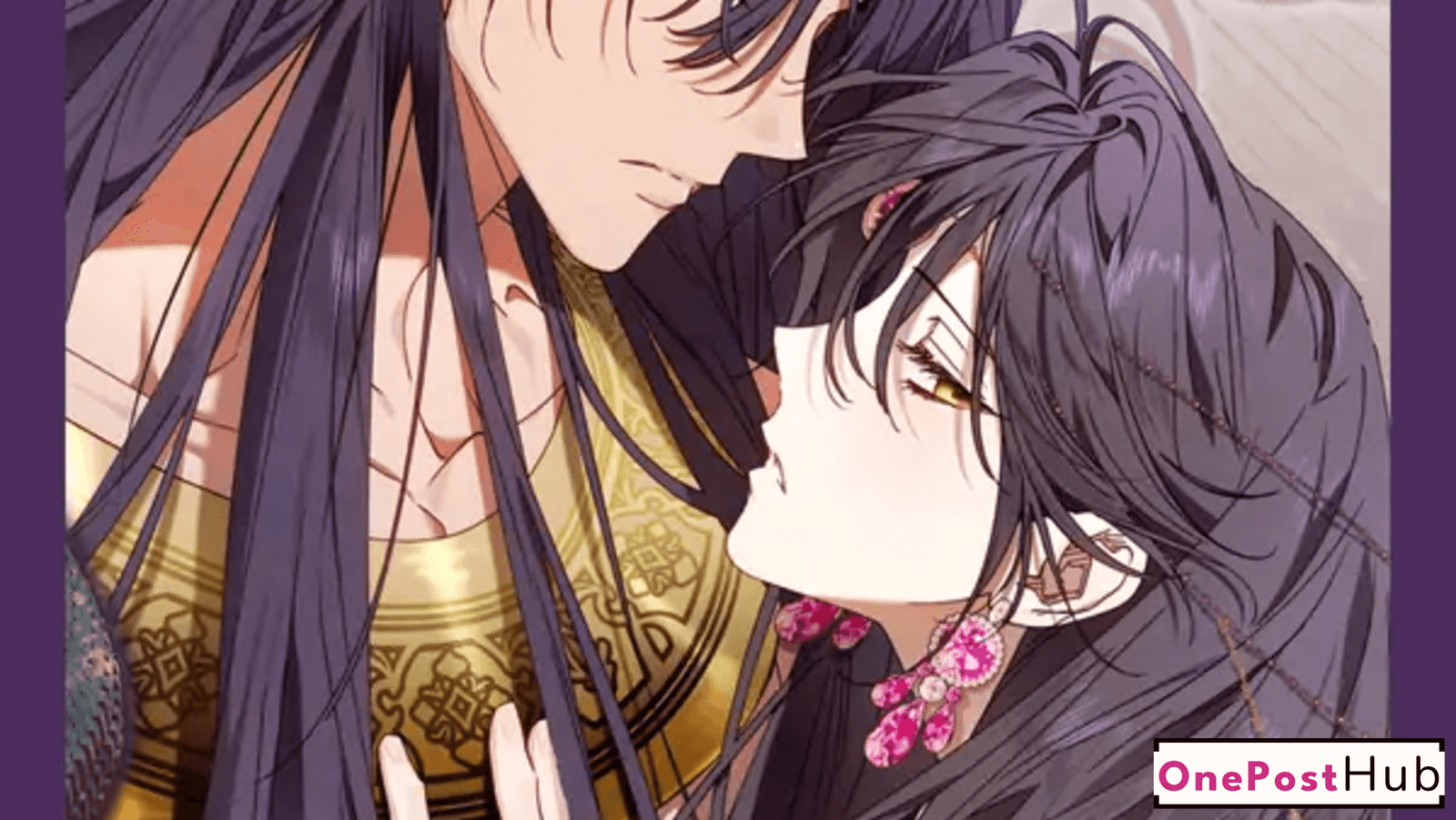

My Dead Lover Returned as a Tyrant is a dark fantasy romance that blends tragedy, political power, and emotional betrayal into a tightly woven narrative. What begins as a story of grief and loss quickly transforms into a complex exploration of identity, fate, and control. The novel is particularly known for its layered plot twists, which consistently challenge the reader’s assumptions about love, resurrection, and moral responsibility.
The Lover’s Death Was Not as Meaningless as It Seemed
One of the earliest and most impactful twists is the revelation that the lover’s death was not a random tragedy. As the story unfolds, subtle clues reveal that his demise was closely tied to political schemes and hidden power struggles. This reframing shifts the narrative from a personal love story into a broader tale of manipulation and ambition, forcing the reader to reconsider the motivations of multiple characters who initially appeared innocent.
Resurrection Comes at the Cost of Humanity
The return of the dead lover is the novel’s central turning point, but the twist lies in how incomplete this resurrection truly is. Although he retains memories of his past relationship, his emotional core has been altered. Power, authority, and trauma reshape him into a tyrant whose decisions are driven more by control than affection. This transformation challenges the romantic expectation that love alone can restore what was lost.
Love and Power Are No Longer Separate
A major plot twist occurs when it becomes clear that the tyrant’s affection for the protagonist is inseparable from his desire to dominate. His protection often crosses into confinement, and his devotion becomes indistinguishable from obsession. The novel uses this dynamic to explore how absolute power distorts even genuine emotions, turning love into a tool rather than a bond.
The Protagonist’s Grief Clouds Her Judgment
Rather than portraying the protagonist as a passive victim, the story reveals that her unresolved grief plays a role in sustaining the tyrant’s behavior. She repeatedly excuses cruelty because it comes from the person she once loved. This twist adds emotional depth by showing how memory can be weaponized, not just by the tyrant, but by the protagonist herself as she struggles to reconcile the past with the present.
The Tyrant Is Both Villain and Victim
Another powerful twist is the gradual humanization of the tyrant without fully redeeming him. His actions are undeniably cruel, yet the narrative exposes how his resurrection stripped away choice, empathy, and balance. This duality prevents the story from offering a simple antagonist and instead presents a tragic figure shaped by forces beyond his control, complicating the moral framework of the novel.
Fate Versus Free Will Drives the Final Conflicts
As the story approaches its later arcs, the central conflict shifts toward fate and autonomy. The novel reveals that both the protagonist and the tyrant are bound by forces established long before his death. This twist reframes earlier decisions, suggesting that many actions were guided by destiny rather than pure intent. The question becomes whether love can survive when neither party is fully free.
Conclusion
In conclusion, My Dead Lover Returned as a Tyrant uses its plot twists to dismantle traditional romantic fantasy expectations. Instead of presenting resurrection as a miracle, the story treats it as a distortion that amplifies power, grief, and control. Through the tyrant’s transformation and the protagonist’s emotional struggle, the novel argues that love rooted in the past cannot survive unchanged in the present. These twists give the story its emotional intensity and thematic depth, making it a compelling exploration of how love, when entangled with power and fate, can become both tragic and destructive.
Frequently Asked Questions (FAQs)
Is My Dead Lover Returned as a Tyranta romance or a dark fantasy?
My Dead Lover Returned as a Tyrant is primarily a dark fantasy romance. While the story is built around a romantic relationship, its themes lean heavily toward tragedy, psychological conflict, and political power rather than traditional romantic fulfillment.
Does the resurrected lover truly love the protagonist?
The novel intentionally leaves this question morally complex. Although the tyrant retains memories and emotional attachment from his past life, his resurrection alters his ability to love in a healthy way. His actions suggest that affection and control have become deeply intertwined, making his love possessive rather than purely emotional.
Why does the lover become a tyrant after returning?
The story reveals that resurrection comes with severe consequences. The lover returns with immense power but diminished empathy and emotional balance. Political manipulation, trauma from death, and forced authority contribute to his transformation into a tyrant, emphasizing that power without humanity leads to cruelty.
Is the protagonist aware of the tyrant’s manipulation?
Initially, the protagonist is blinded by grief and nostalgia. Over time, she becomes increasingly aware that the person she loved no longer exists in the same form. However, emotional attachment delays her ability to fully confront the reality of his behavior, adding depth to her internal conflict.
Does the novel portray the tyrant as purely evil?
No, the narrative avoids a one-dimensional villain. While the tyrant commits morally disturbing actions, the story consistently presents him as both a victim of fate and a source of suffering. This dual portrayal is one of the novel’s defining strengths and a major reason it resonates with readers.

Other Articles

Cdiphone Setup Guide: Easy Step-by-Step Instructions
Star Embracing Swordmaster: Full Story Overview and Lore