



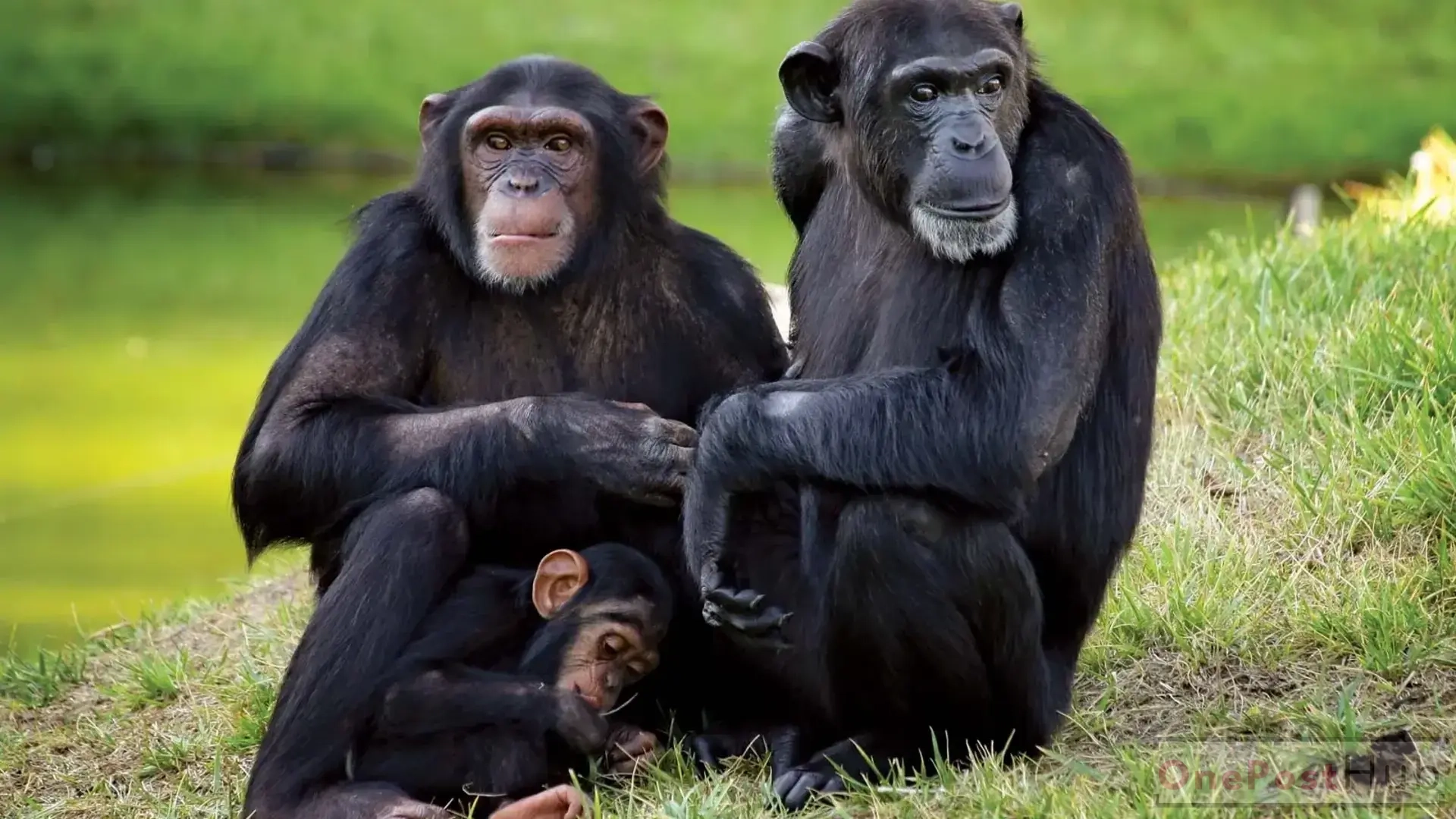

Chimpanzees are among the closest living relatives of humans, sharing complex social behaviors, intelligence, and emotional depth. One common question people ask is how long chimpanzees live and what factors influence their lifespan. The answer varies significantly depending on whether chimpanzees live in the wild or in human care.
Average Lifespan of Chimpanzees
Chimpanzee lifespan differs based on environment, diet, medical care, and exposure to threats.
In the wild, chimpanzees typically live 30 to 40 years. In captivity, where food is reliable and medical care is available, they often live 40 to 50 years, with some individuals reaching their early 60s.
Chimpanzee Lifespan in the Wild
Wild chimpanzees face many challenges that shorten their lifespan.
Factors Affecting Wild Lifespan
- Predation by large carnivores
- Infectious diseases
- Injuries from territorial conflicts
- Food scarcity during dry seasons
- Habitat loss caused by deforestation
Infant mortality is relatively high, and many chimpanzees do not survive their first few years. Those that reach adulthood may still face life-threatening injuries or illnesses without access to treatment.
Chimpanzee Lifespan in Captivity
Chimpanzees living in zoos, sanctuaries, and research-free conservation centers tend to live longer.
Why Captive Chimpanzees Live Longer
- Consistent access to nutritious food
- Regular veterinary care
- Protection from predators
- Reduced risk of infectious disease
- Safer social group management
These conditions allow captive chimpanzees to reach ages rarely seen in the wild.
Differences Between Male and Female Lifespan
Female chimpanzees often live slightly longer than males. Males are more likely to engage in aggressive encounters over dominance and territory, which increases the risk of injury or early death. Females generally experience fewer violent conflicts, contributing to greater longevity.
Aging in Chimpanzees
As chimpanzees age, they show signs similar to human aging, including:
- Reduced mobility
- Tooth wear affecting diet
- Decreased muscle strength
- Greater vulnerability to disease
Older chimpanzees often take on less physically demanding roles within their social groups.
How Chimpanzee Lifespan Compares to Humans
While chimpanzees share much of their DNA with humans, their average lifespan is shorter. Humans benefit from advanced medicine, complex healthcare systems, and long-term social support, all of which significantly extend life expectancy beyond that of chimpanzees.
Conservation and Lifespan
Chimpanzee populations are declining due to habitat destruction, poaching, and disease transmission from humans. Conservation efforts that protect forests and reduce human-wildlife conflict help improve survival rates and allow chimpanzees to live closer to their natural lifespan.
Conclusion
Chimpanzees typically live 30 to 40 years in the wild and 40 to 50 years or more in captivity, depending on environmental conditions and care. Understanding chimpanzee lifespan highlights the importance of conservation, habitat protection, and ethical wildlife management to ensure these intelligent primates can live long, healthy lives.

Other Articles

The Grand Duke Is Mine: Spoilers and Story Explained
Madagascar: Wildlife, Culture, and Natural Wonders