




Madagascar is one of the most biologically unique places on Earth. Isolated from other landmasses for millions of years, the island has developed extraordinary wildlife, a rich blend of cultures, and breathtaking natural landscapes. Today, Madagascar is recognized globally as a biodiversity hotspot and a destination of exceptional ecological and cultural value.
Unique Wildlife of Madagascar
Madagascar is famous for its remarkable wildlife, with over 90% of its species found nowhere else in the world.
Iconic Animal Species
The island is best known for:
- Lemurs, which exist only in Madagascar and range from tiny mouse lemurs to the large indri
- Colorful chameleons, including some of the smallest reptile species on Earth
- Rare carnivores such as the fossa
- Thousands of endemic frogs, birds, and insects
This exceptional biodiversity is the result of Madagascar’s long geographic isolation, which allowed species to evolve independently.
Ecological Importance
Madagascar’s ecosystems play a crucial role in global conservation. Many species are highly specialized and sensitive to environmental change, making them important indicators of ecosystem health.
Culture and Traditions of Madagascar
Madagascar’s culture is as diverse as its wildlife, shaped by African, Asian, Arab, and European influences.
People and Language
- The Malagasy people share a common language, Malagasy, with many regional dialects
- Cultural identity is deeply tied to ancestry, community, and respect for elders
Customs and Beliefs
Traditional beliefs, known as fady (taboos), guide daily life and behavior in many regions. One of the most well-known traditions is Famadihana, or the “turning of the bones,” a ceremony honoring ancestors and reinforcing family bonds.
Music, dance, and storytelling are central to Malagasy culture, reflecting both historical influences and local traditions.
Natural Wonders of Madagascar
Madagascar is home to some of the most striking natural landscapes in the world.
Diverse Landscapes
The island features:
- Dense rainforests in the east
- Dry deciduous forests and spiny deserts in the south
- High plateaus and dramatic mountain ranges
- White-sand beaches and coral reefs along the coastline
Famous Natural Sites
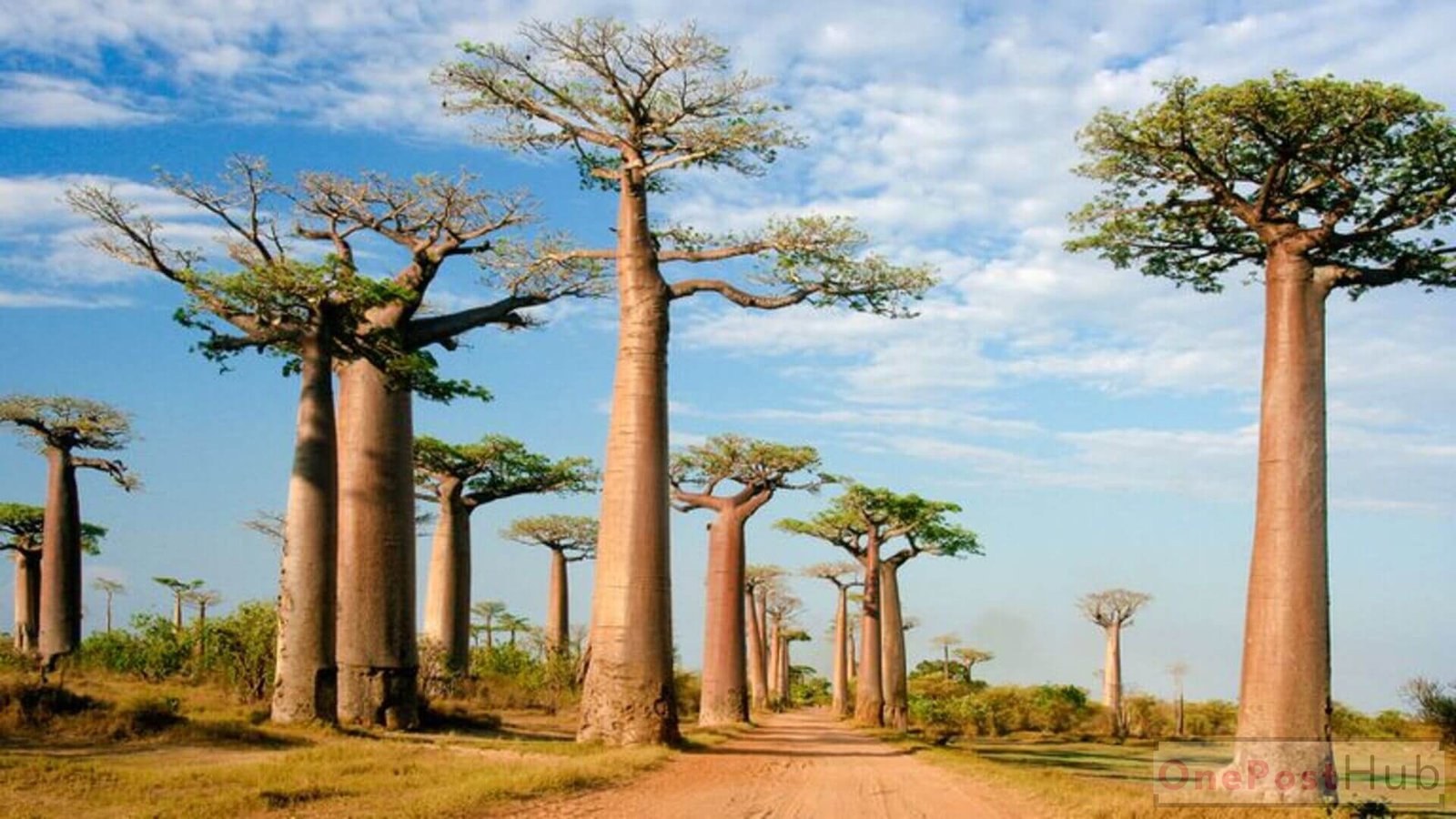
Madagascar’s natural wonders include towering limestone formations, massive baobab trees, and pristine national parks that protect rare plants and animals.
These landscapes not only attract visitors but also support local livelihoods through ecotourism.
Environmental Challenges and Conservation
Despite its natural wealth, Madagascar faces serious environmental threats:
- Deforestation driven by agriculture and logging
- Habitat loss affecting endemic species
- Climate change impacting fragile ecosystems
Conservation efforts focus on protected areas, sustainable land use, and community-led initiatives that balance environmental protection with economic needs.
Conclusion
Madagascar stands apart as a land of extraordinary wildlife, deep-rooted cultural traditions, and stunning natural beauty. Its unique ecosystems and rich heritage make it one of the most important conservation regions in the world. Protecting Madagascar’s biodiversity and cultural identity is essential not only for the island itself, but for global ecological balance and future generations.

Other Articles
How Long Do Chimpanzees Live? Lifespan Explained
Snow Leopard: Habitat, Diet, and Key Facts