




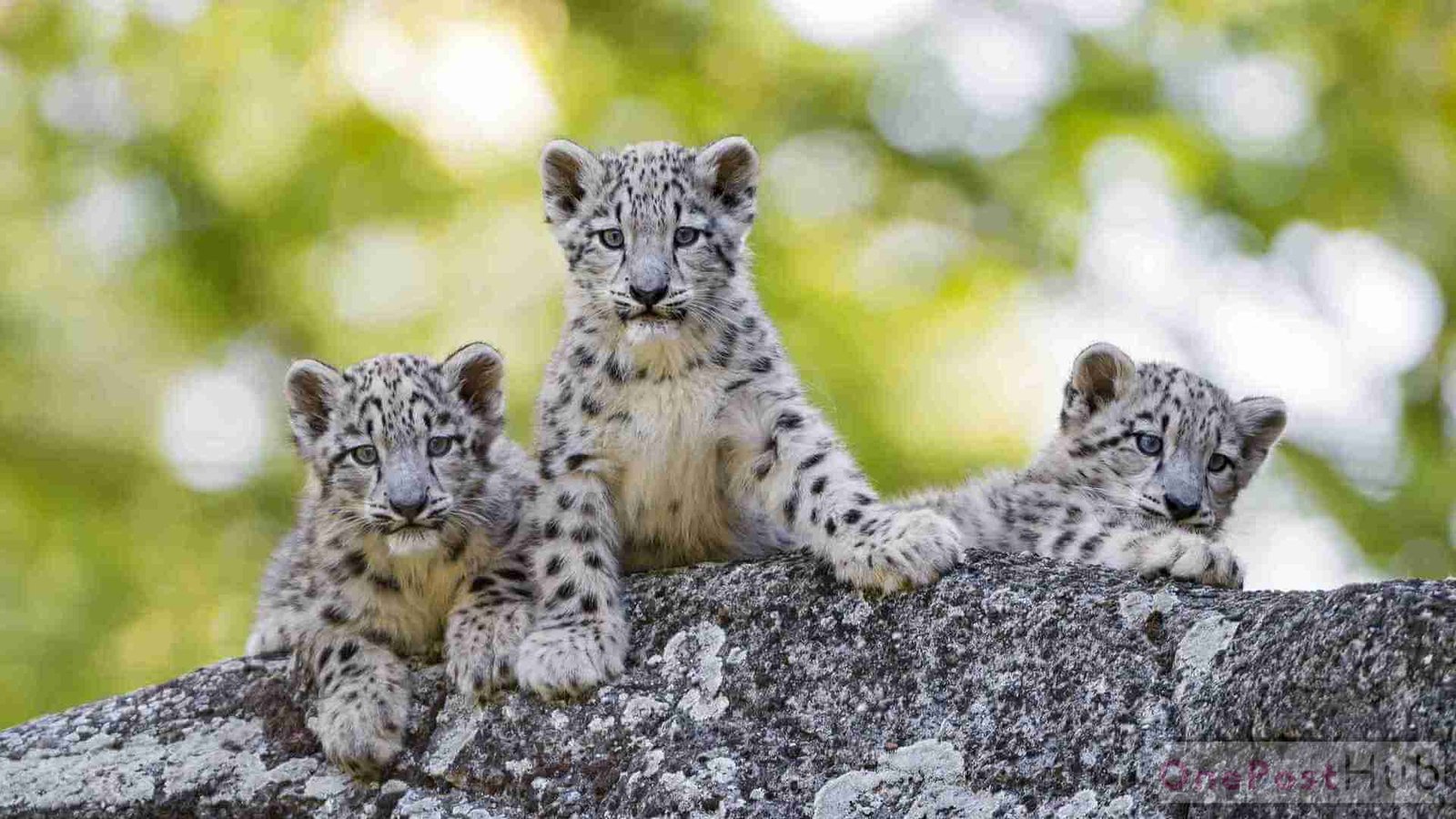

The snow leopard (Panthera uncia) is one of the most elusive and least understood big cats in the world. Perfectly adapted to cold, rugged mountain environments, this rare predator plays a vital role in maintaining balance within fragile high-altitude ecosystems.
Key Facts About Snow Leopards
Snow leopards are known for their strength, stealth, and remarkable physical adaptations. An adult snow leopard typically lives 15 to 18 years in the wild. Its body length ranges from 3 to 4 feet, with a long tail that can reach up to 3 feet, helping with balance and warmth. Adults usually weigh between 60 and 120 pounds.
These cats are mostly active during dawn and dusk and are solitary by nature, coming together only during the breeding season. Due to their remote habitat and excellent camouflage, sightings in the wild are extremely rare.
Snow Leopard Habitat
Snow leopards inhabit the mountainous regions of Central and South Asia, including parts of the Himalayas, the Tibetan Plateau, and surrounding ranges. They are typically found at elevations between 3,000 and 15,000 feet.
Their preferred habitat includes steep, rocky terrain with cliffs and ridgelines that allow them to stalk prey effectively. These areas are cold, dry, and sparsely vegetated, making survival difficult for most animals but ideal for snow leopards.
To survive in such harsh environments, snow leopards have evolved thick, insulating fur, wide fur-covered paws that function like snowshoes, and powerful hind legs that allow them to leap across large gaps in rocky landscapes.
Snow Leopard Diet
Snow leopards are carnivorous predators that primarily hunt wild mountain animals. Their diet mainly consists of blue sheep (bharal), ibex, mountain goats, marmots, and hares.
They rely on stealth and ambush rather than speed, using rocky cover to get close before launching powerful attacks. Snow leopards are capable of leaping up to 50 feet to catch prey. When wild prey becomes scarce, they may hunt livestock, which often leads to conflict with local communities.
Ecological Importance of Snow Leopards
Snow leopards are considered a keystone species. By regulating herbivore populations, they help prevent overgrazing and support healthy mountain ecosystems. These ecosystems are crucial sources of freshwater for millions of people living downstream.
Protecting snow leopards also helps conserve a wide range of other plant and animal species that share their habitat.
Threats and Conservation Status
Snow leopards are currently classified as Vulnerable. Their population has declined due to habitat loss caused by climate change, infrastructure development, poaching, and illegal wildlife trade. Human-wildlife conflict remains a significant challenge, especially in regions where livestock grazing overlaps with snow leopard territory.
Conservation efforts focus on protecting habitats, reducing poaching, and supporting local communities through education, livestock insurance programs, and sustainable coexistence initiatives.
Conclusion
The snow leopard is a powerful symbol of the world’s high-altitude wilderness. Its specialized habitat, unique hunting strategies, and ecological importance highlight the need for continued conservation efforts. Protecting snow leopards not only preserves an iconic species but also helps maintain the health and stability of mountain ecosystems across Asia.

Other Articles
Madagascar: Wildlife, Culture, and Natural Wonders
Monarch Butterfly: Facts, Habitat, and Migration