




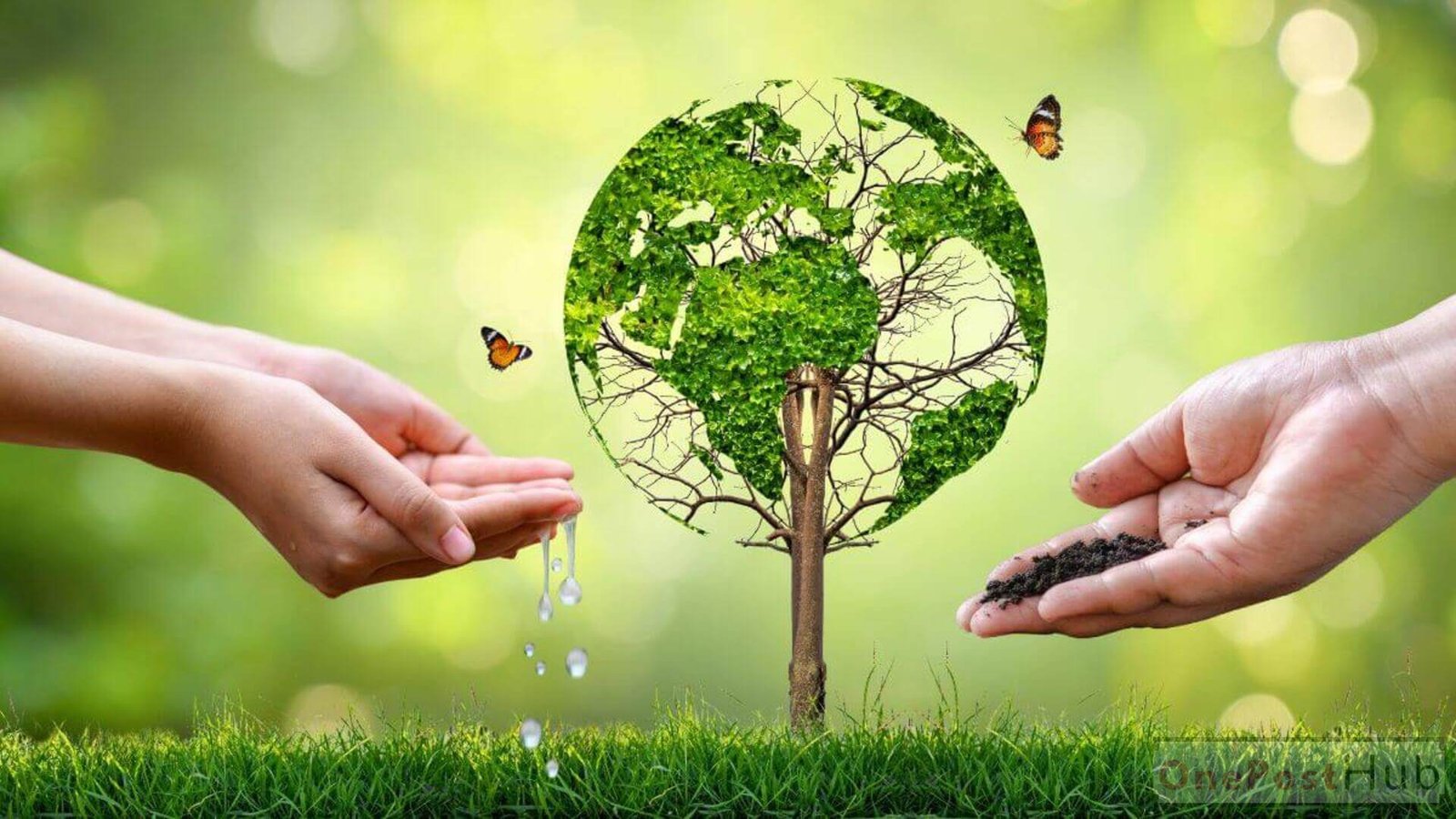

Our planet is a breathtaking tapestry of life, brimming with diverse ecosystems and vibrant species. Yet, this delicate balance is under constant threat from human activities. Environmental conservation has emerged as a crucial response to these challenges, seeking to protect our natural world for future generations. But what does environmental conservation truly entail? And why should we care about it now more than ever? Join us on a journey to explore the importance of safeguarding our environment, the benefits it brings, the hurdles we face, and how each one of us can make a difference in this vital cause.
Importance of Environmental Conservation
Environmental conservation is essential for maintaining the health of our planet. As human activities continue to deplete natural resources and disrupt ecosystems, conserving the environment becomes increasingly urgent.
Healthy ecosystems provide vital services. They regulate climate, purify air and water, and support biodiversity. Protecting these systems ensures that future generations can enjoy clean environments and abundant wildlife.
Moreover, environmental conservation plays a significant role in mitigating climate change. By preserving forests and wetlands, we help sequester carbon dioxide, one of the main greenhouse gases driving global warming.
Conservation also fosters sustainable development. It encourages responsible resource use while promoting economic growth through eco-friendly initiatives. This creates jobs in areas like renewable energy and ecotourism.
Prioritizing environmental conservation helps create a balanced relationship between humanity and nature—one that nurtures both our well-being and the planet’s vitality.
Key Benefits of Environmental Conservation
Environmental conservation offers a wealth of benefits that extend beyond just protecting nature. One key advantage is the preservation of biodiversity. Healthy ecosystems support diverse species, which in turn enhance ecological resilience.
Another significant benefit is improved public health. Cleaner air and water lead to fewer illnesses and a better quality of life. Communities thrive when natural resources are managed sustainably.
Economic gains also stem from environmental conservation. Sustainable practices can create jobs in sectors like renewable energy, tourism, and agriculture.
Additionally, conserving landscapes helps combat climate change by sequestering carbon dioxide. This contributes to stabilizing global temperatures and mitigating extreme weather events.
Engaging in conservation fosters a sense of community pride and responsibility. People become more connected with their surroundings, promoting stewardship for future generations.
Major Challenges in Environmental Conservation
Environmental conservation faces several significant challenges. One of the most pressing issues is climate change. Rising temperatures disrupt ecosystems, threaten wildlife, and alter weather patterns dramatically.
Another major hurdle is pollution. Air and water contamination from industrial activities harm both nature and human health. This ongoing crisis makes it difficult to maintain biodiversity.
Deforestation poses a critical threat as well. Forests are vital for absorbing carbon dioxide but are being cleared at alarming rates for agriculture or urban development.
Additionally, economic interests often clash with conservation efforts. Short-term profits can overshadow the long-term benefits of preserving natural resources.
Public awareness also remains a challenge. Many people still underestimate the importance of environmental conservation in their daily lives and decisions. Education plays an essential role in bridging this gap, yet it’s not always prioritized effectively by governments or organizations.
Ways to Get Involved in Environmental Conservation
Participating in environmental conservation can start with simple actions. You might begin by reducing your plastic use. Opt for reusable bags, bottles, and containers. This small shift contributes significantly to less waste.
Join local clean-up drives or tree-planting initiatives in your community. These hands-on activities foster a sense of connection while making a tangible impact on the environment.
Educate yourself and others about sustainable practices. Share information through social media or organize workshops to raise awareness about conservation efforts.
Consider volunteering with organizations dedicated to protecting natural habitats. Your time and skills can help drive significant change.
Support eco-friendly businesses by choosing products that prioritize sustainability over convenience. Every purchase you make sends a message about what matters to you as a consumer.
Why Environmental Conservation Matters Today
Environmental conservation is more crucial now than ever. As we face unprecedented challenges such as climate change, deforestation, and pollution, the health of our planet hangs in the balance. Every living organism relies on a stable environment to thrive.
The effects of neglecting environmental concerns are evident. Extreme weather events are becoming more frequent. Biodiversity loss is accelerating at an alarming rate. These issues impact not just wildlife but also human communities around the world.
By prioritizing conservation efforts today, we can protect natural resources for future generations. Clean air and water are fundamental rights that should be preserved. Sustainable practices promote resilience against environmental threats and foster healthier ecosystems.
Awareness plays a key role in driving change. When individuals understand their connection to nature, they’re more likely to advocate for responsible policies and take action within their communities. This collective effort creates a ripple effect that can lead to significant improvements.
Environmental conservation matters because it ensures our survival while maintaining the planet’s integrity for all life forms sharing this space with us. Taking action today sets a foundation for tomorrow’s sustainability.


Top 5 Amazing Facts About Whale Sharks
How to Play Red Rover: A Step-by-Step Guide